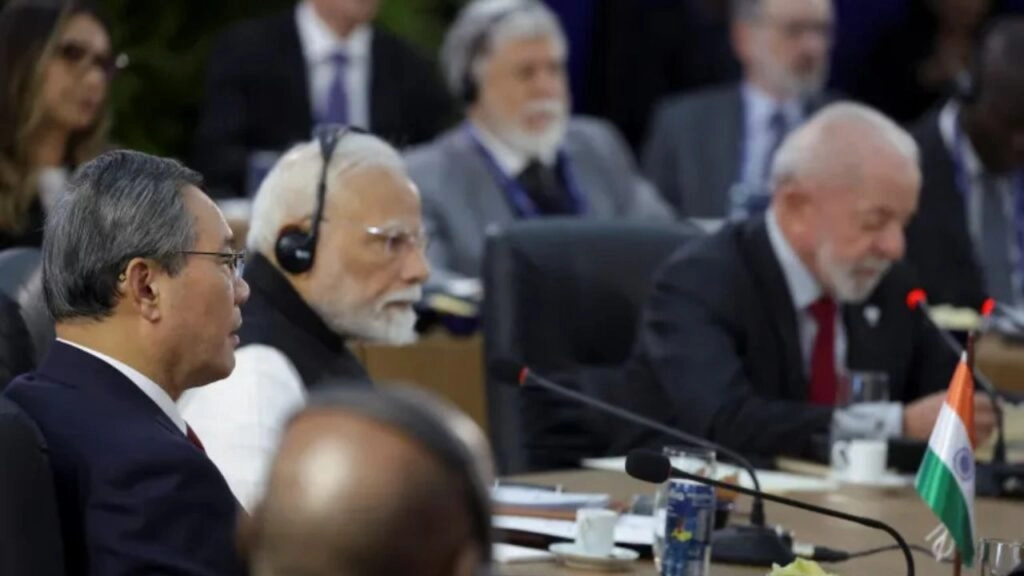
The recent BRICS meeting in Delhi has significant implications for global politics, marking a pivotal moment for the bloc’s emerging influence on the world stage. BRICS, comprising Brazil, Russia, India, China, and South Africa, has been working to strengthen economic ties and foster cooperation among its member countries. The Delhi meeting served as a platform for discussing critical issues such as trade, security, and sustainable development, highlighting the bloc’s ambition to enhance its role in global governance.
One of the key outcomes of the meeting was the discussion surrounding the expansion of BRICS, with several countries expressing interest in joining the group. This potential enlargement could further amplify the voice of developing nations in international affairs, challenging the dominance of Western powers. By welcoming new members, BRICS aims to create a more multipolar world, promoting a balanced distribution of power and resources that reflects the interests of a broader range of countries.
Additionally, the Delhi meeting focused on enhancing economic cooperation, aiming to reduce dependence on Western economies. This includes discussions on alternative payment systems and trade mechanisms that bypass traditional financial institutions, thereby increasing economic resilience among member states. By fostering closer economic ties, BRICS seeks to create a more self-sufficient and interconnected economic bloc, which could alter the dynamics of global trade.
Furthermore, the meeting underscored the importance of addressing pressing global challenges such as climate change and public health crises. BRICS leaders emphasized the need for collaborative efforts to tackle these issues, recognizing that sustainable development is crucial for long-term stability and prosperity. By positioning itself as a leader in these areas, BRICS is not only advocating for the interests of its member states but also aiming to set a global agenda that prioritizes equity and sustainability.
In conclusion, the BRICS meeting in Delhi represents a significant step towards reshaping global politics. Through enhanced cooperation, potential expansion, and a focus on sustainable development, BRICS is positioning itself as a formidable player in the international arena. As the geopolitical landscape continues to evolve, the outcomes of this meeting may well influence the future direction of global governance and the balance of power among nations.