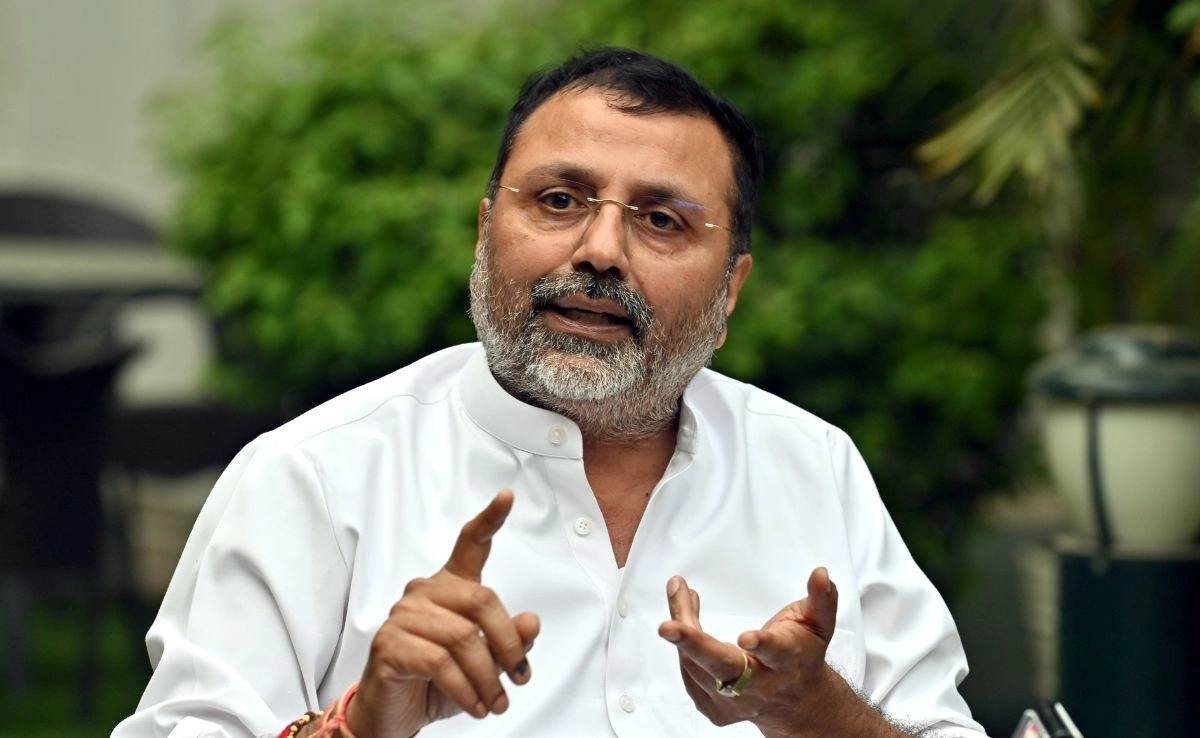
In a recent statement that has sparked considerable debate, a Member of Parliament from the Bharatiya Janata Party (BJP) suggested that Parliament should be shut down if the Supreme Court continues to interfere in legislative matters. This remark comes amid ongoing discussions about the judiciary’s role in the governance of the country and its relationship with the legislative branch. The MP’s comment reflects a growing sentiment among certain political factions that the judiciary is overstepping its boundaries and encroaching on the powers traditionally held by elected representatives.
This perspective raises significant questions about the balance of power in India’s democratic framework. The Constitution delineates the roles of the executive, legislature, and judiciary, each serving as a check on the others. However, tensions have emerged as the judiciary has occasionally intervened in legislative issues, prompting criticism from some lawmakers who argue that such actions undermine the authority of Parliament. The BJP MP’s provocative statement serves as a rallying cry for those who believe that legislative bodies should maintain their sovereignty without judicial interference.
Critics of the MP’s stance warn that shutting down Parliament would not only disrupt democratic processes but also set a dangerous precedent for governance in India. They argue that the Supreme Court serves a vital function in safeguarding the Constitution and protecting the rights of citizens, often stepping in to address legislative overreach or to uphold individual liberties against potential government encroachments. This ongoing tension between the judiciary and the legislature is indicative of broader challenges within India’s democracy, where the interplay of power can lead to conflicts and misunderstandings.
As the political landscape evolves, it is essential for all branches of government to engage in constructive dialogue and find ways to coexist respectfully. The MP’s remarks may reflect frustration among some lawmakers, but they also highlight the need for a nuanced understanding of the roles and responsibilities of each branch of government. The future of India’s democracy may depend on how well these institutions can navigate their differences while remaining committed to the principles of accountability, transparency, and the rule of law.