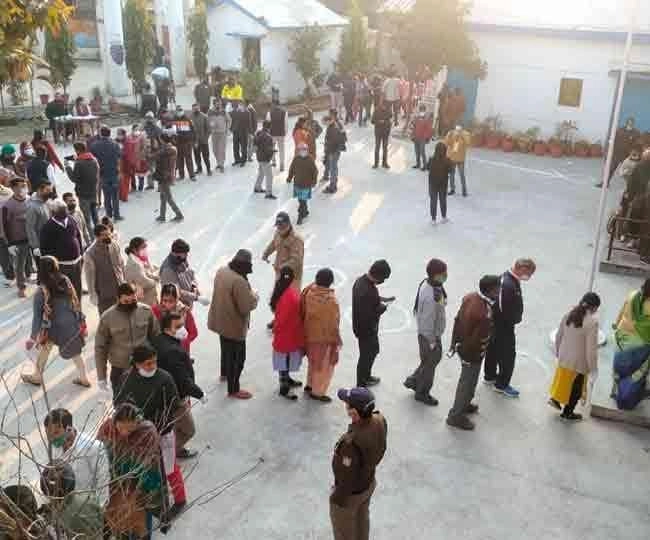
The Supreme Court is set to address the ongoing issue of the Bihar voter list revision today, a matter that has significant implications for the electoral process in the state. This revision is crucial as it ensures that the voter list remains accurate and up-to-date, reflecting changes in demographics and enabling eligible citizens to participate in the democratic process. The case comes at a time when the integrity of electoral rolls is under scrutiny, and any discrepancies could undermine public confidence in the electoral system.
One of the key points of contention surrounding the Bihar voter list revision is the alleged irregularities that have been reported. Various stakeholders, including political parties and civil society organizations, have raised concerns about the accuracy of the current voter list. They argue that many eligible voters have been left out, while others who are no longer residents or have passed away remain on the list. This situation can lead to confusion during elections and potentially disenfranchise a significant portion of the electorate, prompting the Supreme Court’s intervention.
Moreover, the timely revision of the voter list is essential not only for ensuring fair elections but also for enhancing the overall democratic process in Bihar. The state has previously faced challenges related to voter turnout and electoral engagement, and an accurate voter list could help address these issues. By facilitating broader participation, the revision can empower citizens and strengthen the legitimacy of elected representatives. The Supreme Court’s ruling will likely set a precedent for how electoral rolls are maintained in the future, not just in Bihar but potentially across India.
As the Supreme Court deliberates on this matter, the implications of its decision will resonate beyond the immediate issue of voter list revision. It will signal the judiciary’s role in safeguarding electoral integrity and ensuring that democratic processes are upheld. With the eyes of the nation on Bihar, the outcome of today’s proceedings could have lasting effects on how electoral management is approached in the country, emphasizing the need for transparency and accountability in the electoral process.