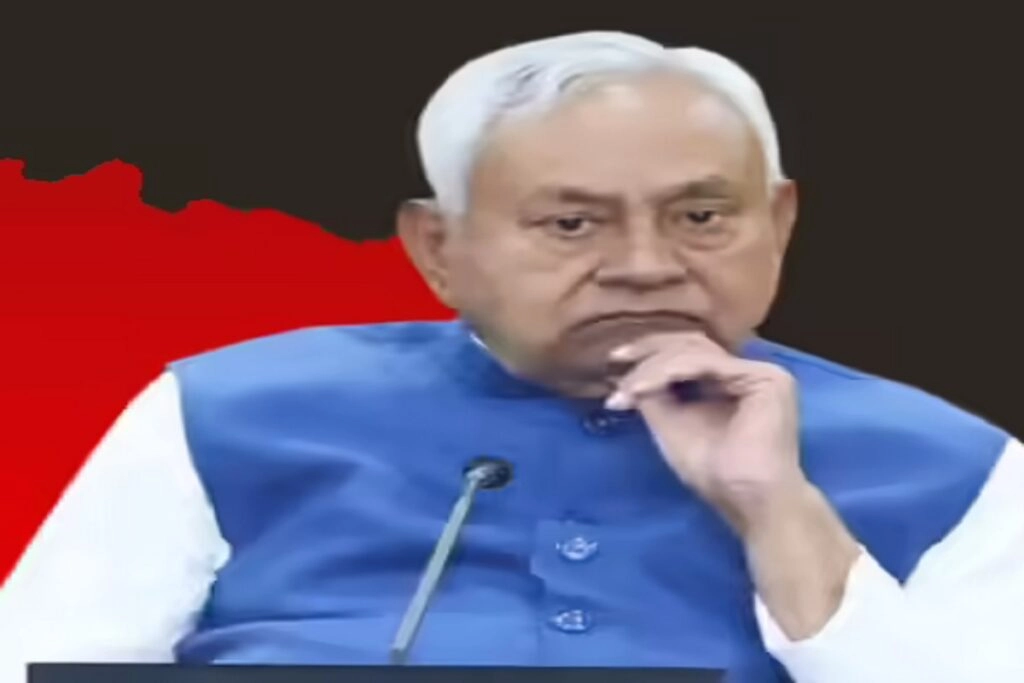
In recent weeks, the political landscape of Bihar has been stirring with increasing intensity, particularly surrounding the possibility of Chief Minister Nitish Kumar’s ascension to the Rajya Sabha. This speculation has sparked discussions among political analysts, party leaders, and the general public, highlighting the strategic maneuvers within the state’s political arena. Nitish Kumar, a seasoned politician and the leader of the Janata Dal (United), has been a prominent figure in Bihar politics for decades. His potential move to the Rajya Sabha has raised eyebrows and prompted various interpretations of his intentions and future plans.
The discussions are not merely centered around Nitish’s potential shift to the upper house of Parliament, but also delve into the implications such a move would have on the state’s governance and political dynamics. Observers are keenly analyzing how this could affect his party’s standing in Bihar and whether it would lead to a reshuffling of power among the various political factions in the state. The Rajya Sabha, being a crucial platform for national-level policymaking, could provide Nitish with a broader scope for influence, particularly in shaping legislative agendas that impact Bihar.
Moreover, the timing of these discussions coincides with various political developments in the state, including upcoming elections and shifting alliances among parties. Nitish’s decision to enter the Rajya Sabha could signal a strategic retreat from state-level politics, allowing him to focus on national issues while still retaining a significant role in Bihar’s governance. This potential transition has ignited debates on the future trajectory of his leadership and how it may alter the balance of power in the state’s political framework.
As the situation unfolds, the conversations surrounding Nitish Kumar’s possible elevation to the Rajya Sabha continue to evolve, reflecting the complexities of Bihar’s political environment. Stakeholders from all sides are closely watching how this scenario develops, as it could set the stage for significant changes in the political landscape of Bihar.