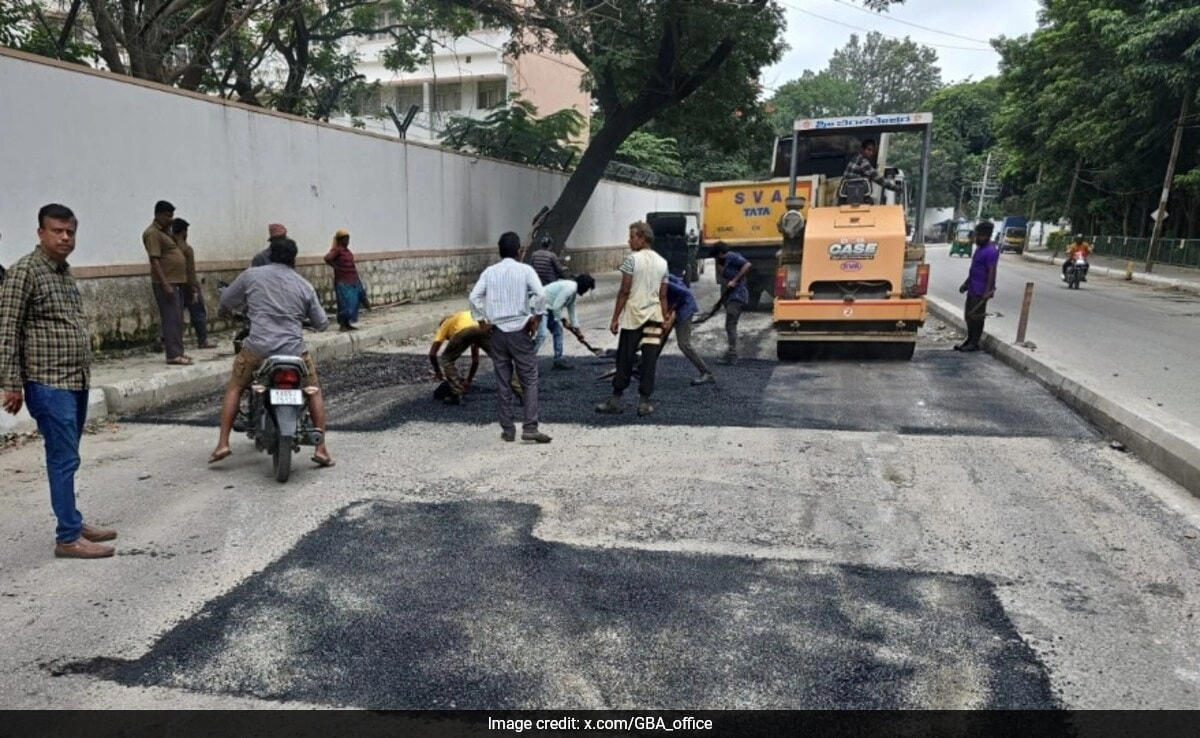
In a recent development that highlights the impact of media scrutiny on local governance, Bengaluru has taken significant steps to address its long-standing issue of pothole-ridden roads. This initiative gained momentum after a report by NDTV brought attention to the perilous state of the city’s infrastructure. The report not only captured the frustrations of residents but also underscored the potential hazards posed by these potholes, particularly during the monsoon season when the risk of accidents increases. Local authorities, particularly under the leadership of DK Shivakumar, have recognized the urgency of the situation and have begun a systematic approach to fill these potholes, aiming to enhance the safety and quality of life for Bengaluru’s inhabitants.
The issue of potholes in Bengaluru is not just an aesthetic concern; it directly affects the daily lives of thousands of commuters. Many residents have been vocal about their grievances, citing instances of vehicular damage and accidents caused by the poorly maintained roads. The NDTV report served as a catalyst for change, prompting the government to prioritize road repairs and maintenance. Shivakumar’s responsiveness reflects a growing recognition among public officials that timely action and accountability are crucial in addressing urban infrastructure challenges. The government’s commitment to resolving this issue is a testament to the positive influence of investigative journalism and public discourse in shaping policy decisions.
As work progresses, the citizens of Bengaluru are hopeful that the renewed focus on infrastructure improvements will lead to long-term solutions rather than temporary fixes. The filling of potholes is just a starting point; residents expect a comprehensive plan that includes regular maintenance and upgrades to the city’s roadways. The situation also highlights the importance of civic engagement, as citizens are encouraged to report issues and advocate for their needs. The collaborative effort between the government and the public can foster a more responsive and responsible administration, ultimately leading to a better urban environment.
In conclusion, the response to the NDTV report illustrates the critical role of media in holding authorities accountable and driving change within communities. Bengaluru’s initiative to address potholes is not merely a reaction to negative press but a broader commitment to improving urban infrastructure. With continued vigilance and community involvement, there is hope for a more sustainable solution to the city’s infrastructure woes, paving the way for a safer and more efficient urban experience for all its residents.