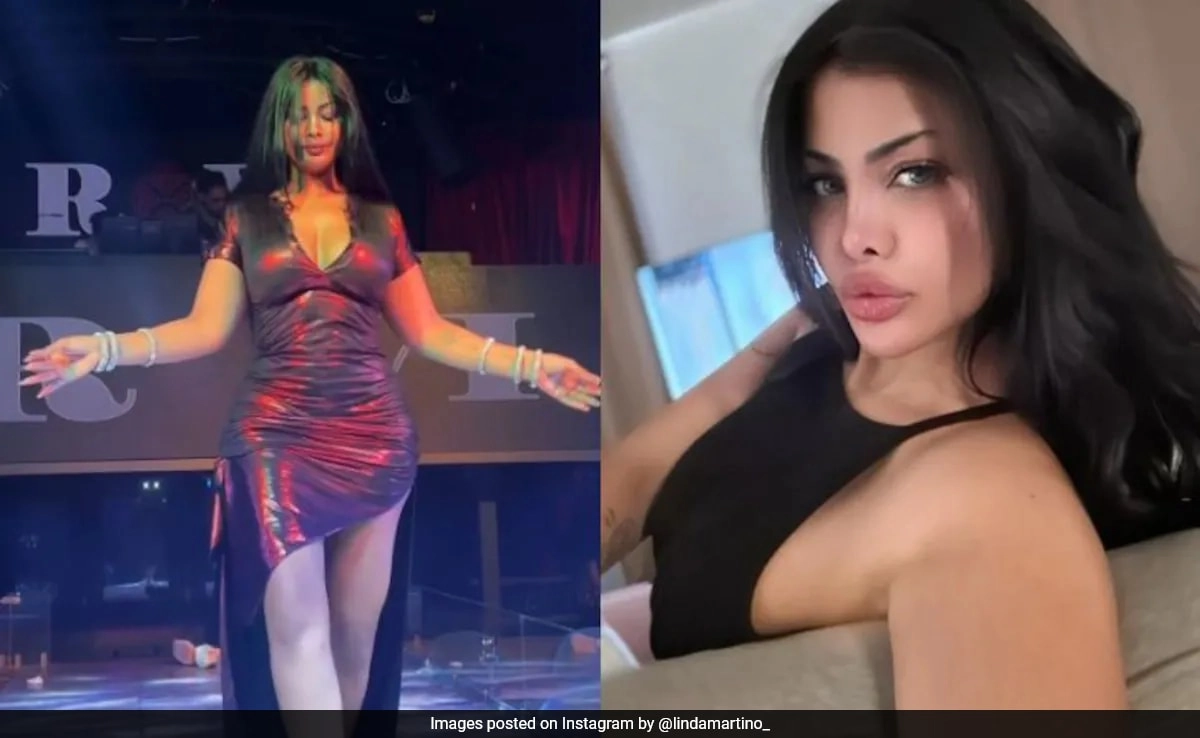
In a surprising turn of events, a belly dancer in Egypt has been arrested for allegedly using seductive techniques in her social media reels. The dancer, whose identity has not been disclosed, has reportedly drawn the ire of Egyptian authorities for her provocative performances, which they claim undermine societal morals and values. This incident highlights the ongoing tension between artistic expression and cultural conservatism in a country where traditional norms often clash with modern influences.
The arrest has sparked widespread debate about the role of social media in shaping public perception and the responsibilities of artists in a rapidly changing cultural landscape. Many supporters of the dancer argue that her performances are a form of art that celebrates femininity and cultural heritage. They contend that such expressions should be embraced rather than criminalized, as they contribute to the rich tapestry of Egyptian culture. Conversely, critics assert that certain forms of entertainment, particularly those perceived as lewd or overly suggestive, can have a detrimental effect on societal values and the moral fabric of the community.
This incident is not isolated but rather part of a broader pattern of scrutiny faced by artists in Egypt. Over the years, authorities have cracked down on various forms of artistic expression, including music, dance, and visual arts, when they are seen as challenging traditional norms. The belly dancer’s arrest serves as a reminder of the delicate balance between cultural expression and the expectations of a conservative society. As social media continues to evolve, artists find themselves navigating a complex landscape where creativity can lead to both admiration and controversy.
The implications of this arrest extend beyond the individual case, raising important questions about freedom of expression and artistic license in contemporary Egypt. As the country grapples with its identity in a globalized world, the tension between modernity and tradition remains a critical issue. This incident may provoke further discussions about the role of women in society and the ways in which they express themselves through art. Ultimately, the outcome of this case could influence the future of artistic expression in Egypt, as artists seek to find their voices amidst societal expectations and legal constraints.