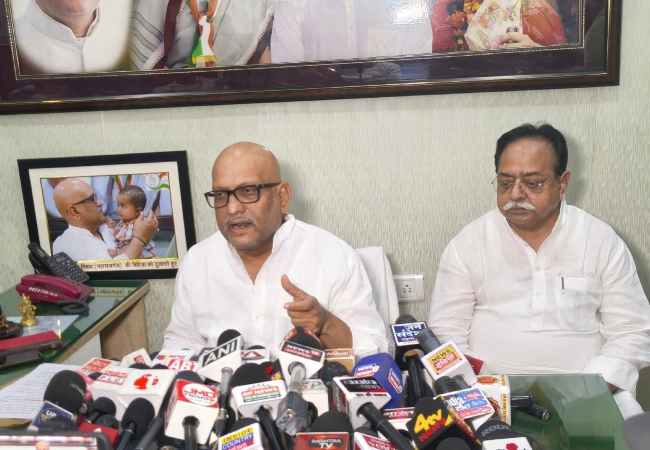
Ajay Rai has launched a personal attack against Prime Minister Narendra Modi, questioning his character and ability to respect women. Rai’s comments revolve around the notion that a leader who fails to show respect for their own spouse is unlikely to extend that respect to the broader population, particularly to women. This statement reflects a growing concern among political commentators regarding the treatment of women in society and the implications of a leader’s personal behavior on their governance.
Rai’s remarks suggest a deeper critique of Modi’s policies and the overall treatment of women in India. By linking personal respect within the confines of marriage to broader societal attitudes, Rai is emphasizing the importance of integrity and respect in leadership roles. He challenges Modi’s credibility, arguing that if a leader cannot honor their own partner, they are unlikely to champion the rights and dignity of women in the country. This kind of rhetoric taps into the growing demand for accountability and respect for women, which has become a central theme in contemporary political discourse.
The discussion surrounding Rai’s comments also highlights the significant role that personal conduct plays in shaping public perception of political figures. In an era where social issues related to gender equality and women’s rights are at the forefront, leaders are increasingly scrutinized not only for their policies but also for their personal lives. Rai’s comments serve as a reminder that the values of respect and integrity should be foundational in leadership, especially in a diverse nation like India, where half the population consists of women who deserve to be treated with dignity and respect. The implications of such statements resonate beyond mere political rivalry, aiming to spark a broader conversation about how leaders can influence societal norms and values.