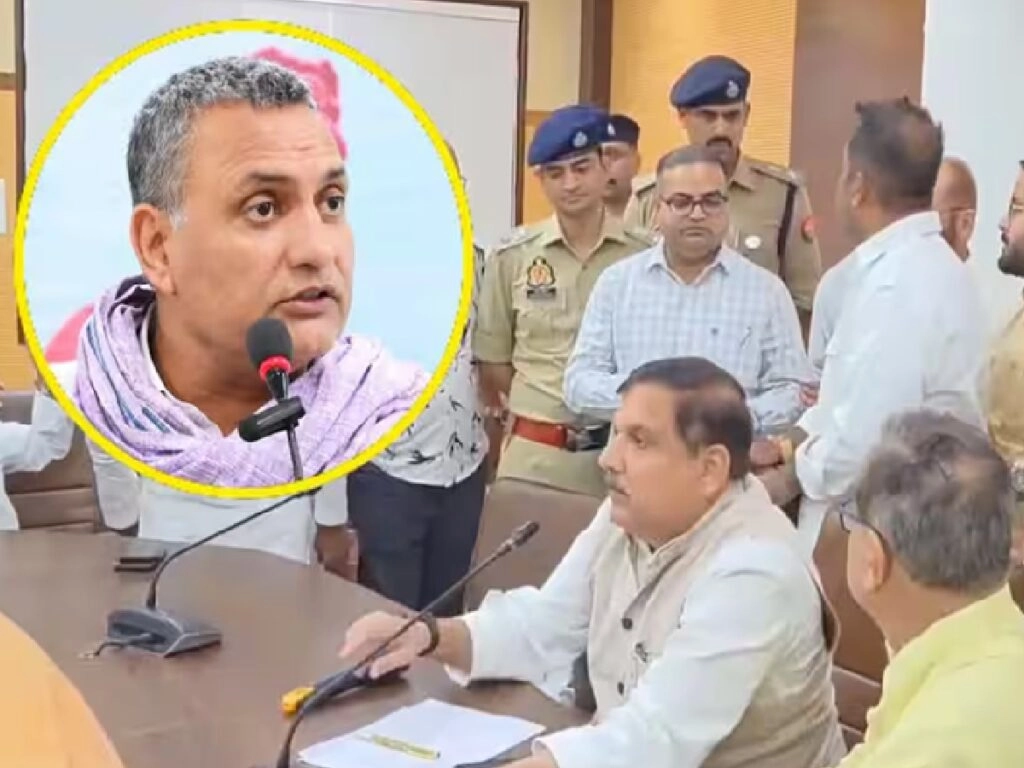
During a recent interaction with students regarding the issue of a paper leak, Sanjay Singh, a prominent leader from the Aam Aadmi Party (AAP), was abruptly halted by the authorities. This incident occurred during a session where Singh aimed to address the concerns of students who were distressed over the integrity of their examinations. The paper leak scandal has caused significant unrest among students, leading to demands for accountability and transparency in the examination process. Singh’s attempt to engage with the students and provide them with reassurance was met with resistance, prompting questions about the freedom of expression and the rights of individuals to voice their concerns in such critical matters.
The intervention drew immediate criticism from the Rashtriya Janata Dal (RJD), a political party that has been vocal about various issues affecting the youth and education sector. RJD officials expressed their anger over the incident, emphasizing that silencing a leader who is advocating for students’ rights is unacceptable. They voiced their support for Singh and condemned the actions taken to prevent him from speaking. This situation highlights the ongoing tensions between different political factions in India, especially concerning education and youth affairs. The RJD’s response underscores their commitment to standing up against perceived injustices and ensuring that students’ voices are heard.
As the situation unfolded, it became clear that the paper leak issue is more than just an isolated incident; it has broader implications for the education system and governance in the country. Students have been increasingly vocal about their grievances, and political leaders like Sanjay Singh have taken on the role of advocates for their rights. The incident raises important questions about the role of political leaders in education, the responsibilities of government officials to uphold transparency, and the ways in which political discourse can affect young people’s lives. The RJD’s reaction signifies a growing recognition of the need for unity among political parties when it comes to protecting the interests of students and ensuring a fair examination process.