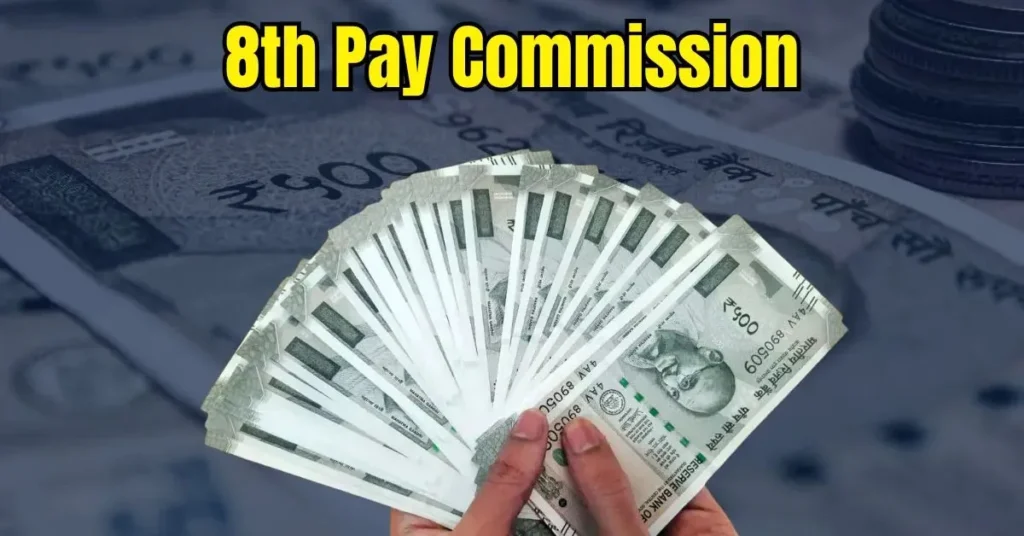
The implementation of the 8th Pay Commission has become a source of concern for government teachers, as it seems to have unintended consequences for their salaries. Recent discussions have indicated that the basic salary for these educators may exceed Rs 50,000, which, while appearing beneficial, raises questions about the overall impact on their financial stability and job security. The drastic change in pay scales has led to widespread apprehension among teachers, who fear that the new compensation structure could result in disparities and challenges in their professional lives.
One of the primary issues at hand is that the significant increase in basic salary may not correspond to an equivalent rise in overall benefits and allowances. Teachers worry that while their basic pay may look good on paper, the lack of proportional increments in other financial aspects could leave them at a disadvantage. Additionally, the sudden leap in salary could lead to a recalibration of pay structures across different levels of education, creating complications in terms of equity and fairness among teaching staff.
Moreover, there are concerns regarding the sustainability of such high salary increases within the education budget. Government resources are already strained, and the introduction of higher salaries could result in cutbacks in other areas, potentially affecting educational programs and resources. This situation presents a dilemma for policymakers, as they must balance the need to attract and retain quality educators with the fiscal realities of government funding. The 8th Pay Commission’s recommendations, while aimed at improving teachers’ livelihoods, may inadvertently create a precarious situation that necessitates careful consideration and further dialogue among stakeholders in the education sector.