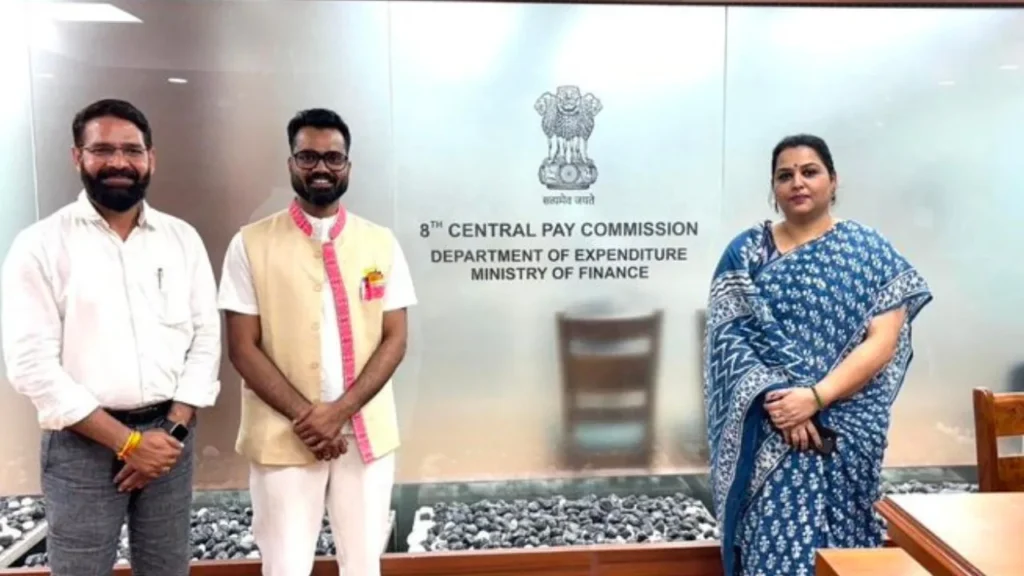
The establishment of the 8th Pay Commission has sparked significant discussions regarding salary adjustments, pension reforms, and various employee benefits. Among the critical demands presented are proposals for salary increases, enhanced pension schemes, and the introduction of five family units for government employees. The prospect of these reforms aims to provide a more comprehensive support system for employees and their families, addressing the rising cost of living and ensuring financial security.
One of the primary focuses of the 8th Pay Commission is to ensure that salaries reflect the current economic conditions and inflation rates. Employees across various sectors are advocating for salary hikes that would improve their purchasing power and overall quality of life. Additionally, the pension reforms being considered are designed to provide greater financial stability for retired employees, ensuring that they can maintain a comfortable standard of living after their years of service.
Furthermore, the proposal to recognize five family units signifies a shift towards a more inclusive approach to employee benefits. This initiative acknowledges the diverse family structures of government employees and aims to provide support that is relevant to their circumstances. Alongside these reforms, the suggestion of 64 holidays per year underscores the importance of work-life balance, promoting employee well-being and productivity.
As the discussions surrounding the 8th Pay Commission continue, various stakeholders, including labor unions and government representatives, are engaging in negotiations to reach a consensus. The outcome of these deliberations could significantly impact the lives of millions of government employees and their families, shaping the future of public service employment in the country. As updates unfold, it remains crucial for all parties involved to consider the implications of these demands and the potential benefits they could bring to the workforce.