The phenomenon of six months of day and six months of night is most commonly associated with regions within the Arctic and Antarctic Circles, where the tilt of the Earth allows for such extreme variations in daylight. This unique characteristic of certain geographical areas has long fascinated people, leading to a myriad of scientific studies and explorations. The regions experience continuous daylight during the summer months and prolonged darkness during the winter months, creating an extraordinary environment that is unlike anywhere else on the planet. It is within these extreme conditions that some of the world’s most resilient ecosystems thrive, showcasing nature’s adaptability.
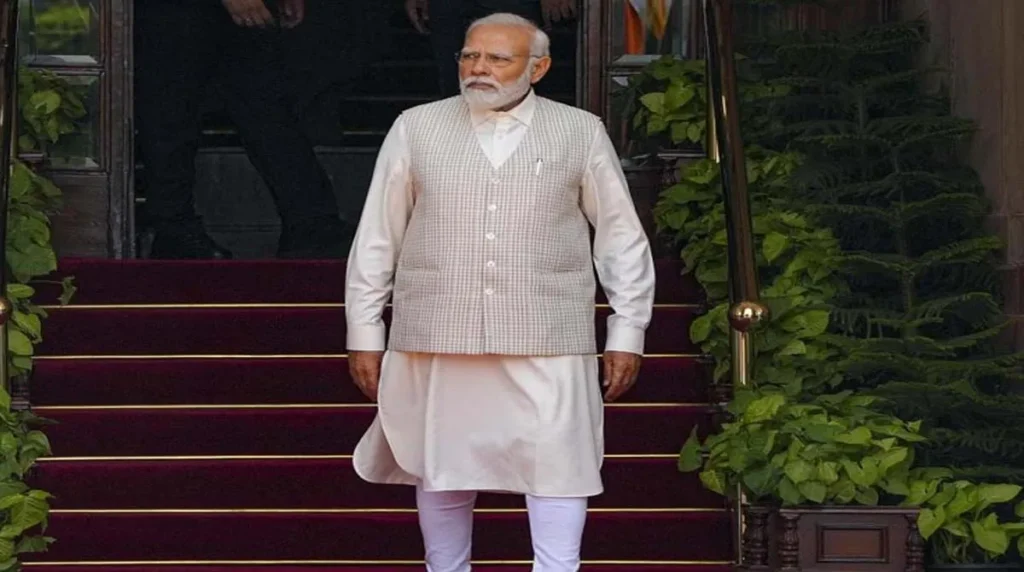
Against this backdrop, the question arises regarding Prime Minister Narendra Modi’s visit to a country known for such extraordinary phenomena. The motives behind political leaders visiting less conventional nations can often be multifaceted. In Modi’s case, his journey could be aimed at enhancing bilateral relations, exploring economic partnerships, or addressing pressing global issues such as climate change. Countries that experience extreme daylight and darkness often face unique challenges related to their environments, and collaborative efforts could lead to innovative solutions beneficial for both nations involved.
Furthermore, Modi’s visit may also serve to strengthen ties with nations that share similar climatic and geographical characteristics, fostering collaboration in research and technology. These relationships can pave the way for sharing knowledge on sustainable practices, particularly in areas such as renewable energy and environmental conservation, which are critical as the world grapples with the impacts of climate change. By engaging with these countries, Modi could be seeking to position India as a leader in addressing global environmental challenges, showcasing its commitment to sustainability on the international stage.
In conclusion, while the extreme phenomena of six months of day and night may sound intriguing, the significance of Modi’s visit lies in the potential diplomatic and environmental advancements that could arise from it. By exploring partnerships with nations that experience such unique challenges, India may be able to create a framework for collaborative solutions that address both local and global issues. This visit could mark a pivotal moment in international relations, emphasizing the importance of cooperation in navigating the complexities of our rapidly changing world.