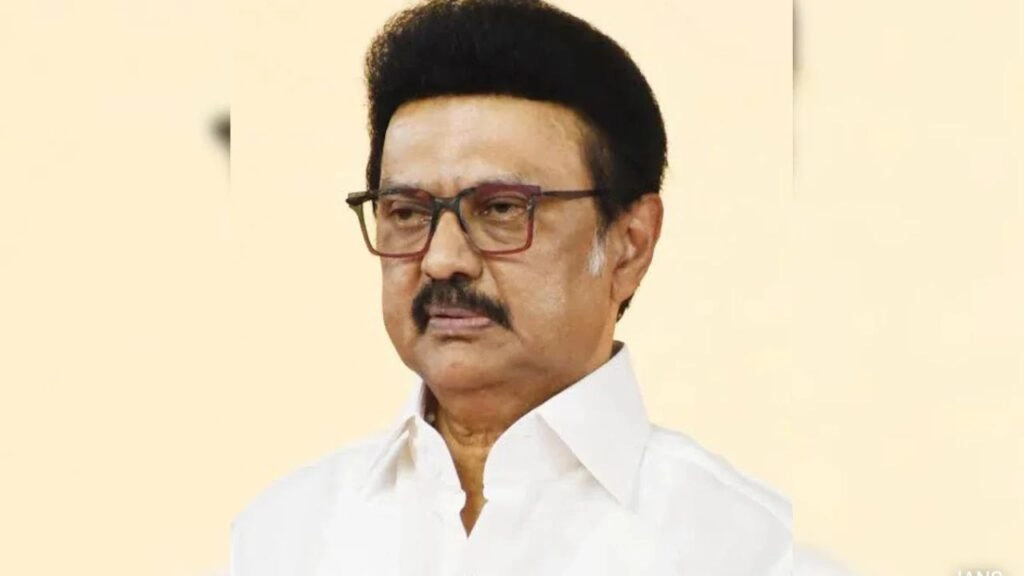
The Tamil Nadu Assembly Election Results of 2026 have sent shockwaves through the political landscape of the state, marking a significant turning point in its governance. In a stunning development, Chief Minister M. K. Stalin, who had been a dominant figure in Tamil Nadu politics, faced a surprising defeat in his own stronghold. This unexpected outcome has been described as a political earthquake, reshaping the dynamics of power in the state. The election results not only reflect a shift in public sentiment but also indicate a possible awakening of opposition forces that had been largely subdued in recent years.
M. K. Stalin, the leader of the Dravida Munnetra Kazhagam (DMK), had been confident of securing another term, buoyed by his party’s previous successes and a range of welfare schemes aimed at uplifting the state’s socio-economic conditions. However, the electorate’s response revealed a growing discontent among voters, who seemed to be seeking change. Various factors contributed to this shift, including dissatisfaction with governance, economic challenges, and social issues that resonated with the populace. The defeat in Stalin’s own constituency is particularly significant, as it underscores the potential for new leadership and ideas to emerge within Tamil Nadu’s political framework.
As the dust settles on the election results, various political analysts and commentators are attempting to decipher what this defeat means for the DMK and the future of governance in Tamil Nadu. The opposition parties, who had been largely sidelined, are likely to gain momentum and visibility, seeking to capitalize on the prevailing discontent. The results could pave the way for a new political narrative in the state, as voters express their desire for accountability and effective governance. Overall, the 2026 assembly elections have not only altered the political landscape but also served as a reminder of the changing priorities and aspirations of the Tamil Nadu electorate.