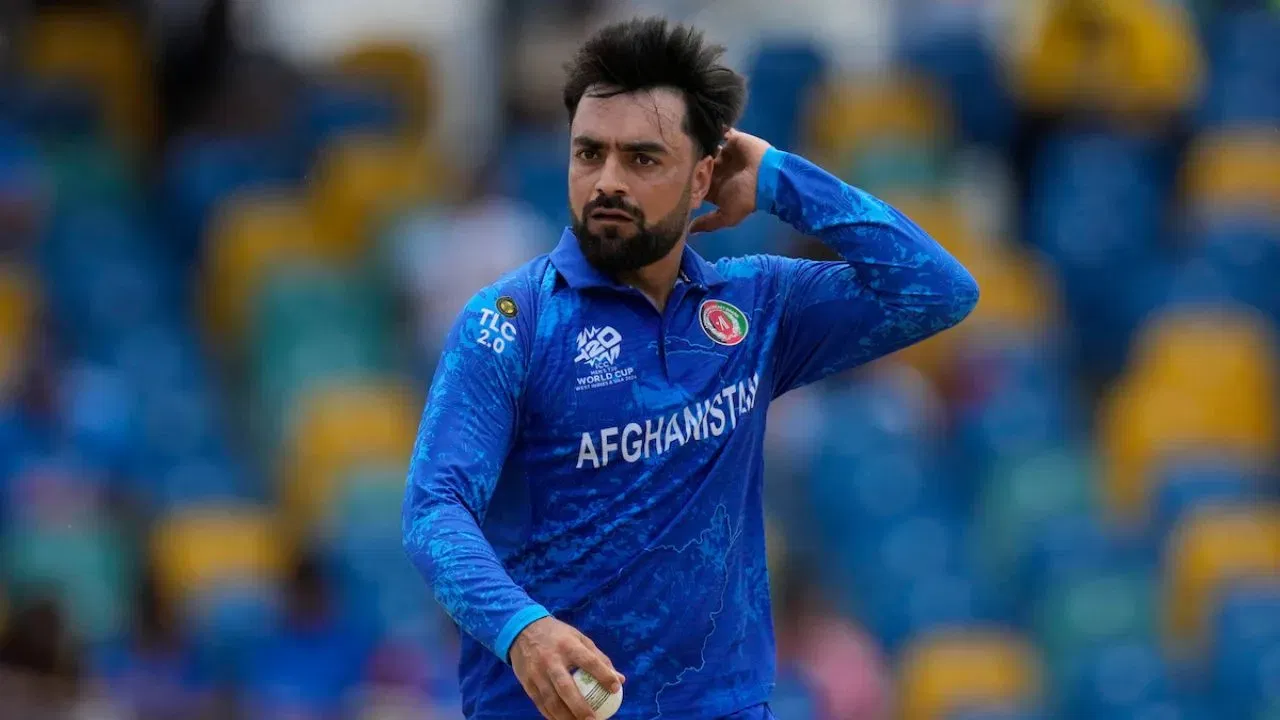
Rashid Khan, the celebrated Afghan cricketer, is reportedly facing removal from his position as captain of the Afghanistan national cricket team, and the reasons behind this decision have raised eyebrows throughout the cricketing community. Speculations suggest that the involvement of the Taliban in this decision could be a factor, reflecting the complex interplay between sports and politics in Afghanistan. Rashid, who has been a pivotal figure in Afghan cricket, has not only brought respect to the national team but has also become a symbol of hope for many in a country that has faced significant turmoil.
The potential sacking of Rashid Khan has sparked widespread debate among fans and analysts alike. Critics argue that such a decision could undermine the progress Afghan cricket has made on the global stage. Rashid has led the team with distinction, and his leadership and performance have been instrumental in elevating Afghanistan’s status in international cricket. The allegations of external influence, particularly from the Taliban, highlight the precarious situation in which athletes in Afghanistan find themselves, caught between their passion for sport and the prevailing political landscape.
As the cricketing world watches closely, many are concerned about the implications of this potential decision for the future of Afghan cricket. The sport has been a unifying force for the nation, providing a sense of pride and identity amidst ongoing challenges. The involvement of political elements in sports administration could set a dangerous precedent, threatening the autonomy of sporting bodies and the athletes who represent them. Rashid Khan’s possible removal from captaincy, therefore, is not just a matter of team dynamics; it speaks volumes about the environment in which Afghan athletes operate and the broader implications for sports in the country.