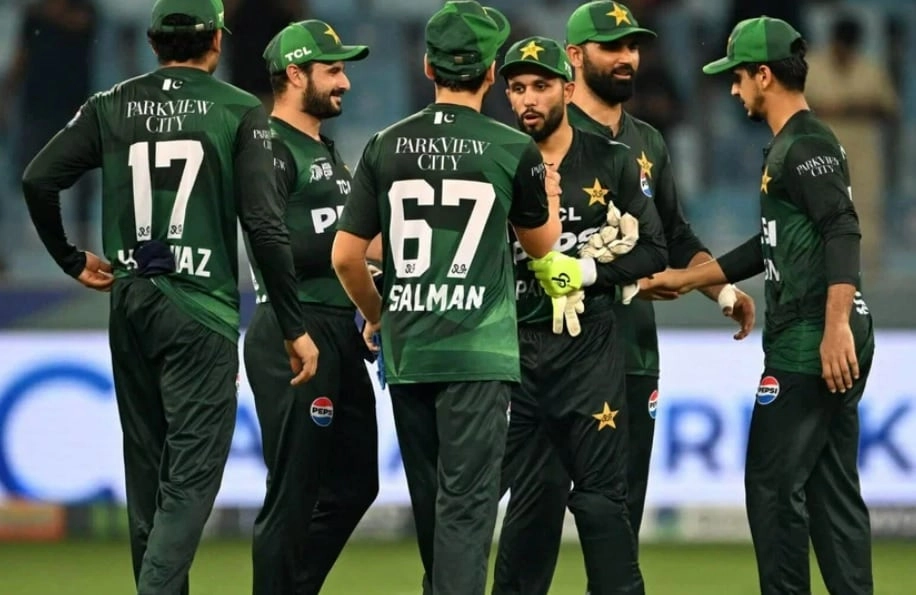
Pakistan’s cricket team has recently made headlines by canceling a press conference scheduled ahead of their highly anticipated clash against India in the Asia Cup. This decision comes in the wake of a growing controversy surrounding a handshake incident that has sparked discussions and debates among fans and analysts alike. The rivalry between India and Pakistan is one of the most intense in the world of cricket, and any off-field developments tend to garner significant attention, often overshadowing the game itself.
The handshake controversy erupted after a previous interaction between players from both teams, where the gesture was perceived differently by various stakeholders. Some see it as a sign of sportsmanship and camaraderie, while others view it as a breach of the competitive spirit that characterizes this fierce rivalry. The decision to cancel the press meet reflects the heightened sensitivity surrounding the issue, as players and management likely want to avoid further escalation or misinterpretation of their intentions.
As the match approaches, tensions are palpable, and the focus is shifting towards how both teams will handle the pressure, not only from their opponents but also from the media and the intense scrutiny that accompanies any encounter between India and Pakistan. The Asia Cup, a significant tournament in the cricket calendar, serves as a platform for both teams to showcase their skills and strategies. However, the added layer of controversy may impact the players’ mental state and their approach to the game.
In light of this situation, cricket enthusiasts are left wondering how the players will channel their emotions on the field. Will the controversy serve as a distraction, or will it motivate them to perform even better? As fans eagerly await the match, the focus will undoubtedly be on how both teams navigate this complex landscape, balancing the legacy of their rivalry with the need for sportsmanship and respect. The Asia Cup clash is more than just a game; it is a testament to the spirit of cricket and how it can sometimes reflect broader societal sentiments.