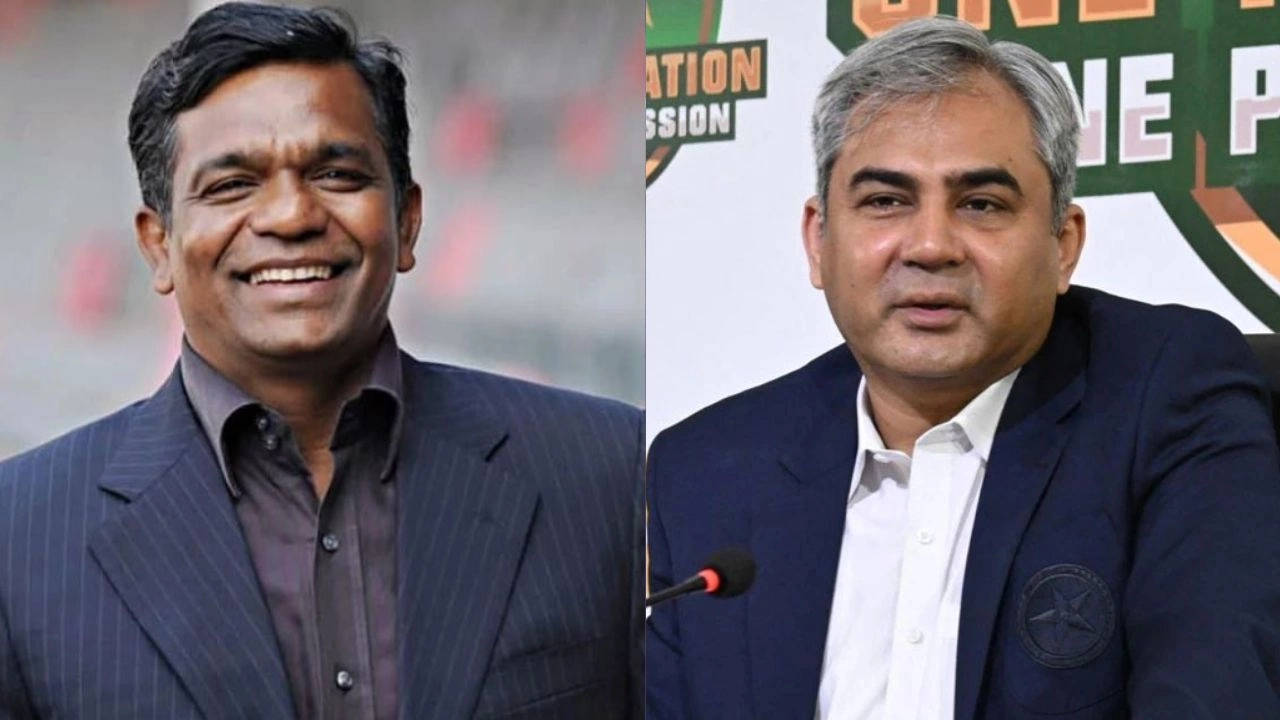
Mohsin Naqvi has strategically leveraged the ongoing tensions between India and Bangladesh to emphasize Pakistan’s stance regarding the T20 World Cup 2026. The backdrop of this situation is a growing dispute between India and Bangladesh, which has become a focal point for regional politics and sports diplomacy. Naqvi’s commentary highlights how these geopolitical issues can spill over into the realm of international sports, particularly cricket, which holds significant cultural importance in South Asia. By framing the narrative around the potential withdrawal of Pakistan from the T20 World Cup, Naqvi is not only drawing attention to the cricketing event but also using it as a platform to express Pakistan’s grievances concerning its neighboring countries.
The threat of withdrawal from the T20 World Cup 2026 serves multiple purposes for Pakistan. It acts as a warning to both India and Bangladesh regarding the implications of their ongoing disputes. Naqvi’s position suggests that the cricketing community should be aware of the broader ramifications of political tensions, especially in a region where cricket often acts as a bridge between nations. The stakes are high, as the World Cup is not just a sporting event; it represents an opportunity for countries to showcase their national pride and unity on an international stage.
Moreover, Naqvi’s approach underscores the intertwining of sports and politics in South Asia. The cricketing rivalry between Pakistan and India, often exacerbated by political tensions, is well-documented. By bringing Bangladesh into this narrative, Naqvi is expanding the discourse, suggesting that the dynamics of regional relationships can significantly influence sporting events. This situation calls for a nuanced understanding of how countries can navigate their political issues while still participating in global sporting events. Ultimately, the potential for Pakistan to withdraw from the T20 World Cup could serve as a wake-up call for the involved nations to reconsider their diplomatic strategies and foster a more collaborative environment in both politics and sports.