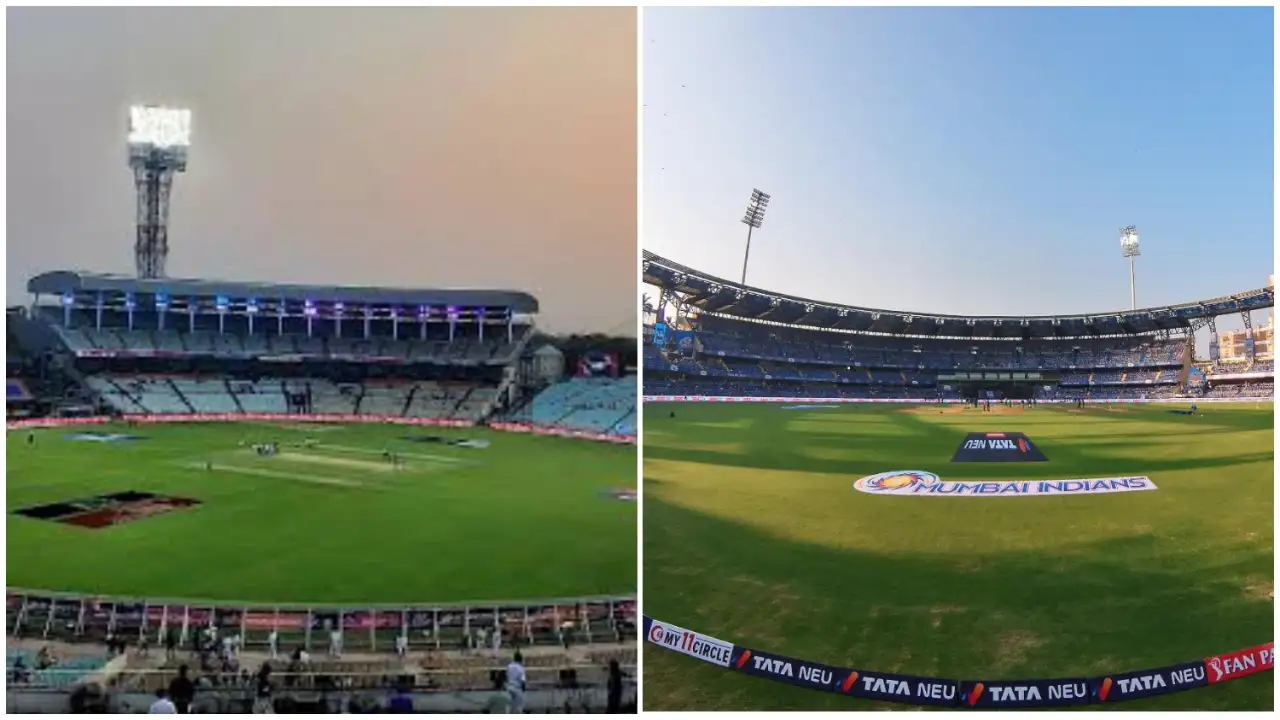
The Board of Control for Cricket in India (BCCI) has made headlines recently for its decision to not allocate the highly anticipated Border-Gavaskar Trophy (BGT) matches to two of India’s iconic cricket venues, Wankhede Stadium in Mumbai and Eden Gardens in Kolkata. This decision has raised eyebrows and sparked discussions among cricket fans and analysts alike. There are several factors that the BCCI considered when making this choice, which sheds light on their strategy and vision for hosting international matches.
One significant reason behind this decision is the BCCI’s aim to promote cricket in less traditional venues. By choosing to host the BGT matches in locations that have not traditionally been the center of big-ticket cricket events, the board seeks to cultivate a broader fan base and encourage local support for the sport. This approach aligns with BCCI’s long-term vision of making cricket accessible to more regions across the country, thereby increasing participation and enthusiasm for the game at grassroots levels.
Additionally, logistical considerations may have played a role in the BCCI’s decision-making process. High-profile matches such as the BGT often come with complex requirements in terms of infrastructure, security, and accommodations for players and officials. The BCCI may have assessed that other venues could better meet these needs while also providing a unique atmosphere that enhances the spectator experience. By diversifying the locations of such prestigious matches, the board can also manage the risk of overexposure and fatigue associated with certain venues.
Moreover, the BCCI is keen on experimenting with new cricketing experiences and formats that can excite audiences. By taking the BGT matches to different cities, the board can introduce cricket to new demographics and foster a sense of inclusivity. This strategy not only helps in building a more diverse cricket culture but also paves the way for future events to be held in underutilized venues, ultimately contributing to the growth of cricket in India as a whole.
In conclusion, while the decision to exclude Wankhede and Eden Gardens from hosting BGT matches may have disappointed some fans, it reflects a thoughtful and strategic approach by the BCCI. The focus on promoting lesser-known venues, addressing logistical challenges, and enhancing the overall cricketing experience showcases the board’s commitment to the sport’s growth and its dedication to reaching a wider audience. As the BCCI continues to innovate and adapt, cricket fans can anticipate a more dynamic and inclusive future for the game in India.