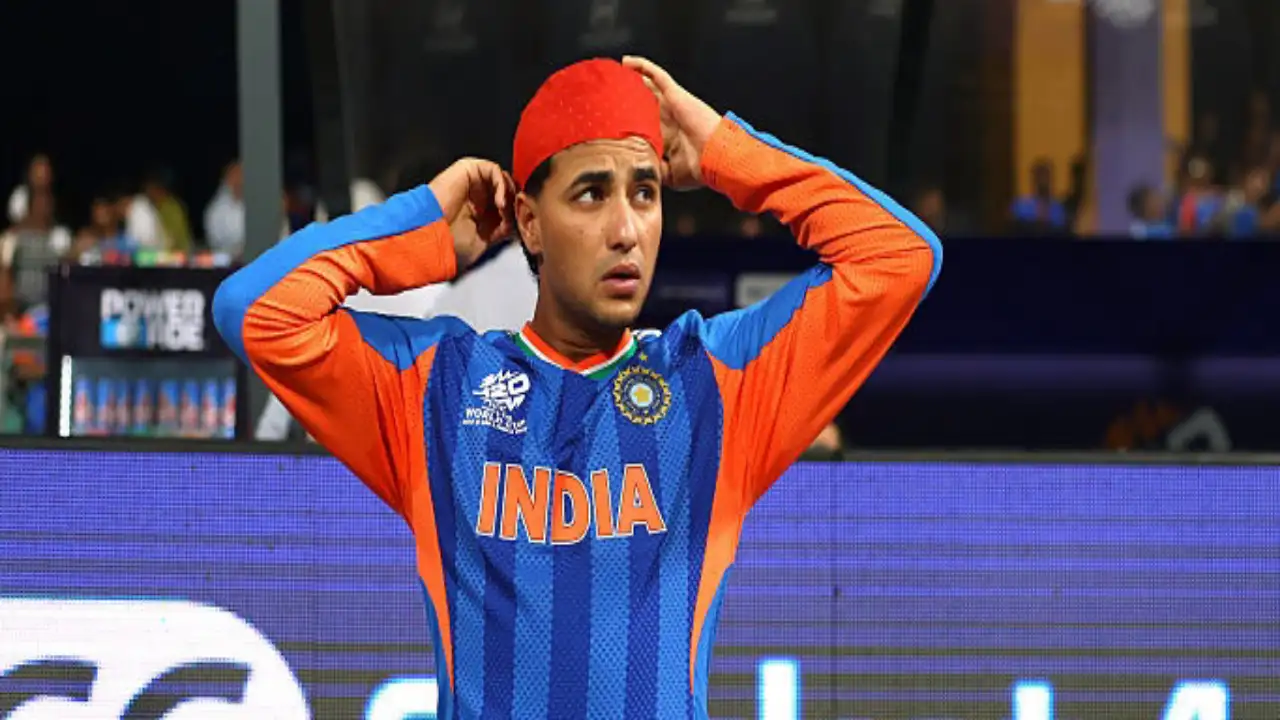
Abhishek Sharma’s potential exclusion from the Indian squad for the highly anticipated semi-final match against England has become a hot topic of discussion among cricket analysts. Renowned commentators Ravi Shastri and Ricky Ponting have expressed their views on this matter, providing a ruthless assessment of Sharma’s recent performances. As the Indian team gears up for this crucial encounter, the pressure is mounting on the selectors to make strategic decisions that could significantly impact the outcome of the match.
Sharma, who had initially shown promise, has struggled to find form in recent games, raising concerns about his ability to contribute effectively in high-stakes situations. Both Shastri and Ponting have highlighted the importance of having players who are in peak form, especially in a knockout stage where every run counts. Their critiques suggest that the team management must consider a more reliable option to ensure that the batting lineup remains robust against a formidable English bowling attack.
The decision to drop a player like Abhishek Sharma is never easy, especially given the talent he possesses. However, as the semi-final approaches, it becomes crucial for the team to prioritize current form over potential. With the stakes at an all-time high, the selectors may need to weigh Sharma’s contributions against other players who have been consistently performing well. This situation underscores the competitive nature of international cricket, where even a slight dip in form can lead to a player being sidelined during critical matches.
As fans eagerly await the announcement of the final squad, the focus will remain on how the Indian team balances experience and current form in their selection process. The insights from Shastri and Ponting serve as a reminder that in cricket, as in many sports, adaptability and performance are key to success, especially in a tournament setting. The forthcoming semi-final promises to be an electrifying contest, and the decisions made in the lead-up will undoubtedly influence the outcome.