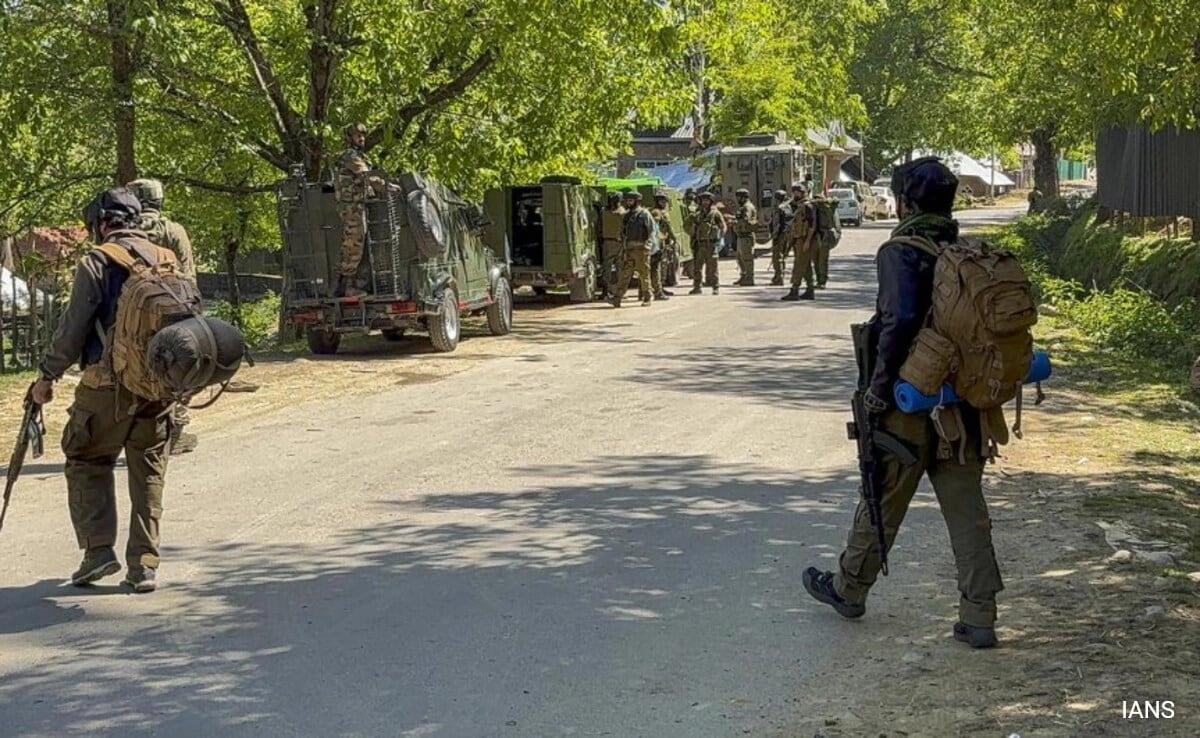
The recent Pahalgam attack has sparked a wave of discussions and opinions about its implications, particularly concerning Pakistan’s strategic interests. The assault not only targeted a popular tourist destination in Jammu and Kashmir but also aimed to send a clear message about the ongoing tensions in the region. For Pakistan, the attack serves multiple purposes, including undermining India’s narrative of normalcy in Kashmir and drawing international attention to the disputed territory. This incident can be seen as a calculated move to provoke a response from India while simultaneously rallying support among its own populace and allies who sympathize with the Kashmir cause.
At its core, the Pahalgam attack reflects a broader strategic calculus by Pakistan, which appears determined to keep the Kashmir issue alive on the international stage. By instigating violence, Pakistan hopes to remind the world of the long-standing conflict and its adverse humanitarian implications. It seeks to portray itself as a defender of Kashmiri rights and garner sympathy from global powers. This tactic is not new; Pakistan has long employed various forms of asymmetric warfare to achieve its objectives, and the Pahalgam attack is a continuation of this strategy. The incident could potentially escalate tensions further, prompting India to respond militarily or politically, thereby giving Pakistan the opportunity to claim victimhood in the eyes of the international community.
Moreover, the timing of the attack cannot be overlooked. It coincides with significant political developments in both India and Pakistan, which may suggest that the perpetrators aimed to exploit these circumstances. For instance, as India continues to strengthen its military presence in Kashmir, Pakistan may see this as an opportunity to challenge India’s dominance and assert its own narrative. In this context, the Pahalgam attack may have been designed to disrupt any ongoing peace dialogues and provoke a more aggressive Indian response, thereby inflaming tensions even further.
In conclusion, the Pahalgam attack is emblematic of the complex and often volatile relationship between India and Pakistan. Pakistan’s motivations appear to be multifaceted, driven by a desire to maintain relevance in the Kashmir discourse while also seeking to destabilize India’s claims to peace and stability in the region. As the international community watches closely, the repercussions of this attack could shape the future trajectory of Kashmir and influence broader geopolitical dynamics in South Asia. The need for dialogue and a peaceful resolution remains critical, yet the cycle of violence and retaliation continues to complicate the path forward.