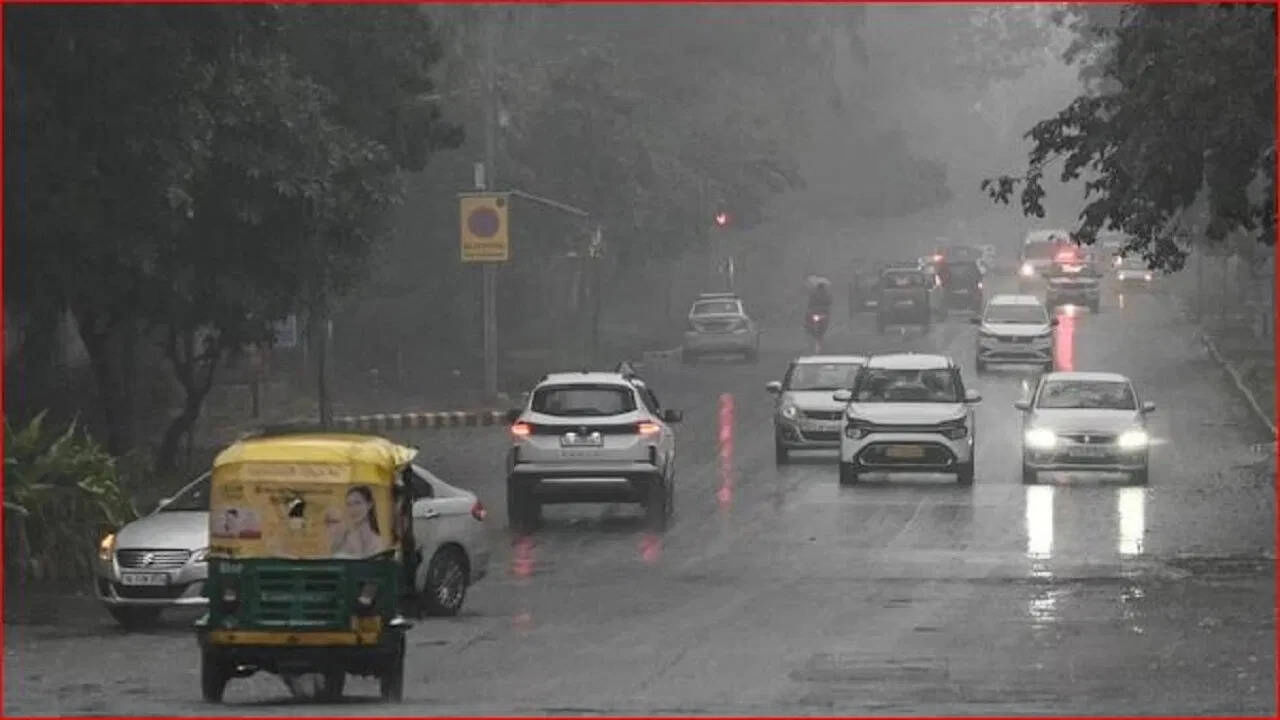
The recent Western Disturbance has significantly altered the weather patterns in North India, leading to a variety of climatic changes across several states. This meteorological phenomenon, characterized by an influx of moisture-laden winds from the Mediterranean region, has resulted in unpredictable weather conditions. As a consequence, meteorological departments have issued alerts for heavy rainfall and strong winds in multiple areas, warning residents to prepare for possible disruptions.
The impact of the Western Disturbance is being felt across various northern states, where locals are experiencing a sharp drop in temperatures alongside the onset of rain. These weather changes are crucial for agriculture, especially for crops that thrive in cooler and wetter conditions. However, the forecasted heavy rains could also pose risks, such as flooding in low-lying areas and potential damage to infrastructure. The authorities are on high alert, ensuring that necessary precautions are taken to mitigate any adverse effects that may arise from the severe weather.
In addition to the immediate implications for daily life, this weather system plays a vital role in replenishing water resources in the region. The rainfall brought about by Western Disturbances can help replenish rivers, lakes, and groundwater levels, which is particularly important during the dry season. Nonetheless, it is essential for residents to remain vigilant and heed safety warnings issued by meteorological services, as they navigate through this period of intense weather fluctuations. Overall, the current situation underscores the dynamic nature of weather patterns in North India and the ongoing need for preparedness in the face of such changes.