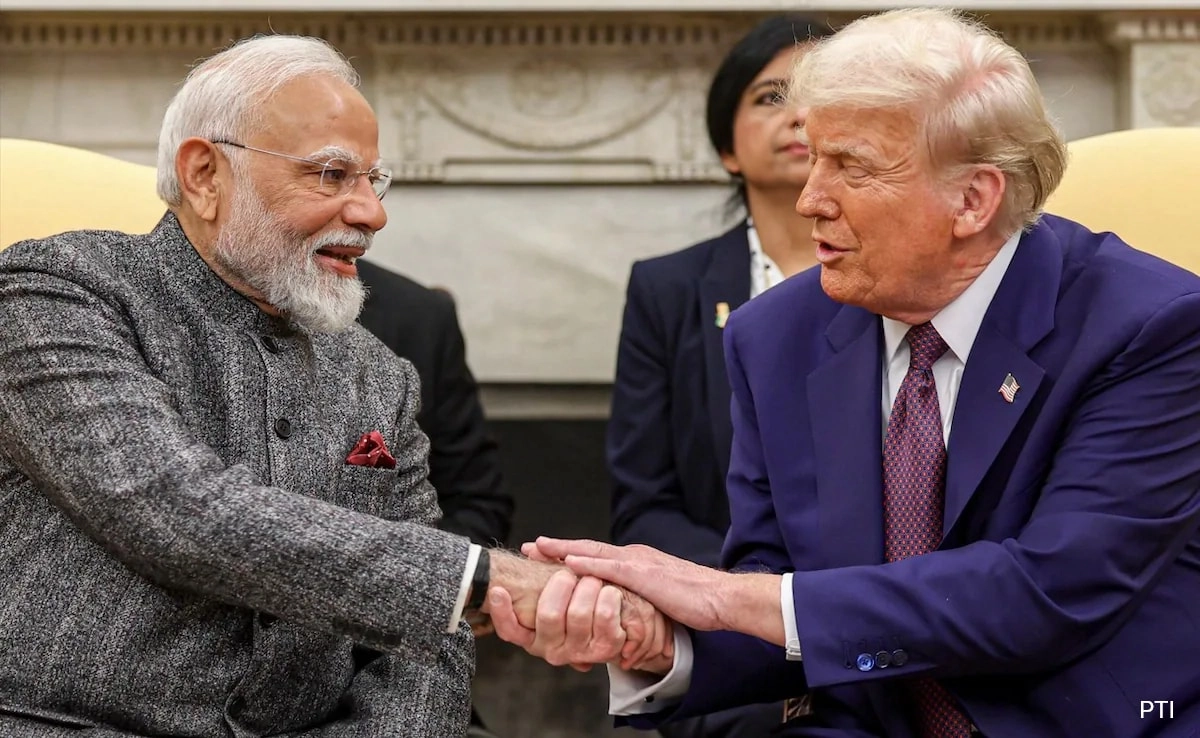
In a recent statement, former President Donald Trump addressed the ongoing trade dynamics between the United States and India, particularly focusing on tariffs. He characterized the situation as “brutal,” reflecting the intense negotiations and economic implications that tariffs impose on both nations. Trump’s comments come amid a backdrop of fluctuating trade policies and a growing emphasis on economic nationalism. While he acknowledged the harsh realities of the trade landscape, he also expressed optimism that the current challenges would ultimately lead to a more favorable outcome for the U.S. economy.
Trump’s remarks highlight the complex relationship between the U.S. and India, two major players in the global market. Tariffs have long been a contentious issue, impacting a variety of sectors, including agriculture, technology, and manufacturing. The former president’s perspective suggests that while the immediate effects of these tariffs may seem adverse, they could lead to a restructuring of trade that ultimately benefits American businesses and consumers. By prioritizing U.S. interests and pushing back against what he perceives as unfair practices, Trump aims to reshape the trade balance in favor of the United States.
Furthermore, Trump’s statement underscores a broader narrative regarding the importance of bilateral trade relations. As countries navigate the intricacies of tariffs and trade agreements, the stakes are high for both the U.S. economy and its global standing. The former president’s confidence that the situation will “work out well” reflects an underlying belief in the resilience and competitiveness of American industries. Ultimately, this perspective may resonate with a significant segment of the population that values a more protectionist approach to trade, emphasizing the need for the U.S. to assert its economic interests on the world stage.
In conclusion, while Trump’s assessment of the current tariff situation with India may be perceived as harsh, it encapsulates a strategic vision aimed at recalibrating trade relations. The potential long-term benefits, as he suggests, could pave the way for a more equitable and advantageous economic environment for the United States. As negotiations continue, the implications of these tariffs will undoubtedly shape the future of U.S.-India relations and the broader landscape of international trade.