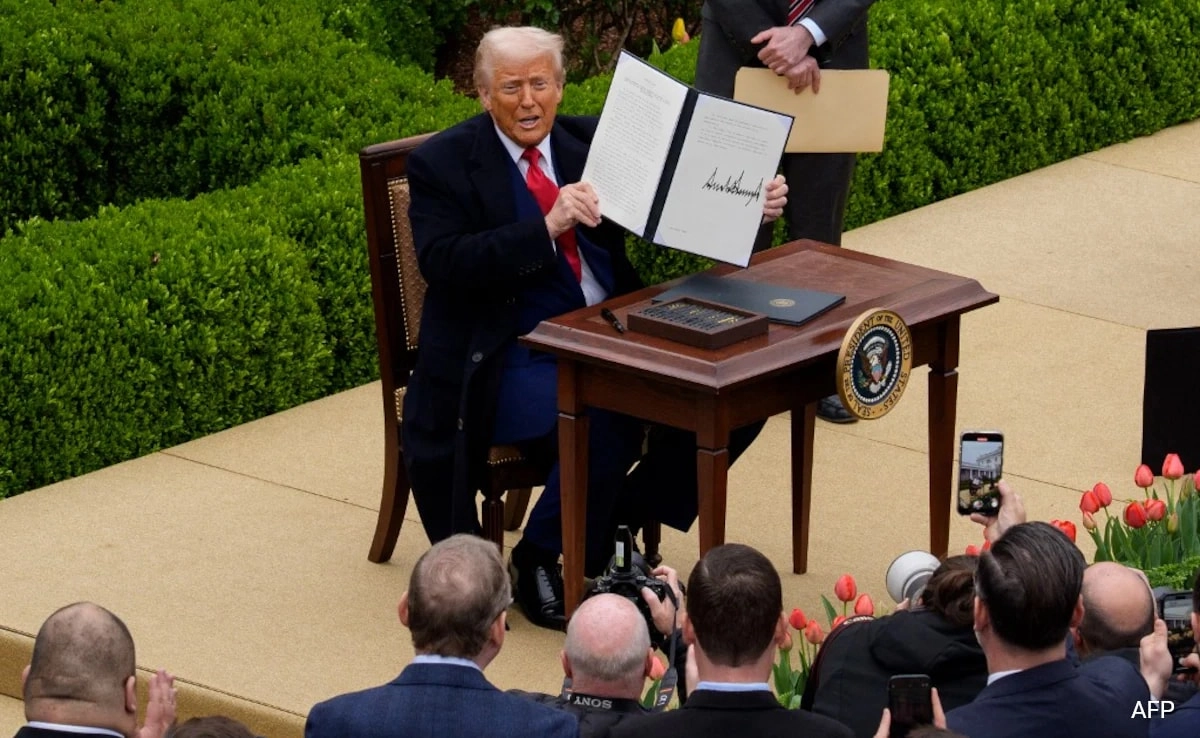
The United Nations has expressed significant concern regarding the impact of tariff increases implemented during the Trump administration, particularly highlighting their adverse effects on vulnerable populations and the economically disadvantaged. According to the UN, these tariffs, which were primarily designed to protect domestic industries from foreign competition, have inadvertently placed a heavier burden on low-income families. By raising the costs of imported goods, these tariffs have led to higher prices for essential items, making it increasingly difficult for those already struggling to make ends meet.
The UN’s assessment emphasizes that the repercussions of these tariff hikes extend beyond mere economic statistics; they have real-world implications for millions of individuals and families. The increased costs associated with everyday products such as food, clothing, and household goods disproportionately affect those who lack the financial flexibility to absorb these additional expenses. As a result, the tariffs have exacerbated existing inequalities, pushing more individuals into poverty and hindering access to basic necessities.
Furthermore, the UN argues that the long-term consequences of such trade policies could be detrimental to global economic stability. By fostering an environment of uncertainty and retaliation among trading partners, the tariffs risk igniting broader trade wars that could further disrupt supply chains and inflate prices. This ongoing cycle of tariff increases and retaliatory measures exacerbates the economic challenges faced by developing nations, which are often more reliant on exports and vulnerable to fluctuations in global trade dynamics.
In conclusion, the UN’s critique underscores the need for more equitable trade policies that consider the welfare of all citizens, particularly the most vulnerable. Addressing the shortcomings of the previous administration’s tariff strategies is crucial for fostering a more inclusive global economy. Policymakers must prioritize solutions that protect both domestic industries and the well-being of low-income households, ensuring that trade practices contribute positively to economic growth without sacrificing the livelihoods of those at the bottom of the socioeconomic ladder.