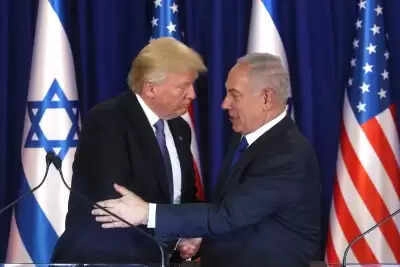
In the midst of rising tensions between Iran and Israel, former U.S. President Donald Trump reached out to Israeli Prime Minister Benjamin Netanyahu with a phone call. The conversation comes at a time of heightened hostilities in the region, particularly concerning Iran’s nuclear ambitions and its support for militant groups that threaten Israel’s security. Trump’s engagement highlights the ongoing geopolitical complexities and the critical role that U.S. leadership plays in Middle Eastern affairs.
During their discussion, Trump and Netanyahu likely addressed the security challenges posed by Iran’s actions, including its missile program and its influence over proxy groups in Lebanon and Syria. The two leaders have had a longstanding relationship, and Trump’s administration was marked by a strong pro-Israel stance, including the recognition of Jerusalem as Israel’s capital and the withdrawal from the Iran nuclear deal. This phone call signals Trump’s continued commitment to supporting Israel, even after leaving office.
Moreover, the dialogue between Trump and Netanyahu reflects the broader concerns among U.S. and Israeli officials regarding Iran’s potential to destabilize the region further. With the Biden administration’s approach to Iran still unfolding, Trump’s outreach could be seen as an attempt to reinforce alliances and strategies that prioritize Israel’s security. The historical context of U.S.-Israel relations underscores the importance of this conversation as both nations navigate the complexities of Middle Eastern politics and security threats.