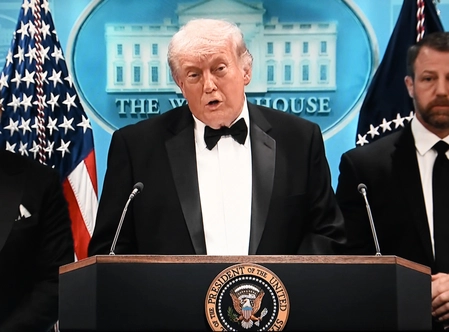
The demand for a secure ballroom at the White House has intensified, especially in the wake of recent gun violence incidents. Former President Donald Trump has brought this issue to the forefront, advocating for enhanced safety measures within one of the nation’s most iconic venues. The ballroom, often used for state dinners, receptions, and other significant events, is a symbol of American diplomacy and hospitality. However, the increasing frequency of gun-related tragedies raises concerns about the safety of such public gatherings.
Trump’s call for a secure ballroom reflects a broader conversation about security in public spaces, particularly those associated with governmental functions. As high-profile events attract large crowds, the potential for threats becomes a pressing issue. Advocates for increased security argue that measures such as reinforced entrances, surveillance systems, and on-site security personnel are essential to ensure the safety of attendees, including dignitaries and foreign leaders.
The conversation surrounding the need for enhanced security at the White House ballroom also highlights the ongoing debate about gun control in the United States. Incidents of gun violence have sparked national discussions about the effectiveness of existing laws and the measures that can be taken to protect citizens in both public and private spaces. As leaders and policymakers evaluate the situation, the call for a secure ballroom serves as a reminder of the challenges faced in creating safe environments amidst rising concerns about public safety.
In conclusion, the demand for security enhancements at the White House ballroom is emblematic of a larger societal issue. It underscores the importance of prioritizing safety in spaces where community and government converge. As discussions continue, the hope is that effective solutions can be implemented to protect individuals while preserving the integrity and significance of such a historic venue.