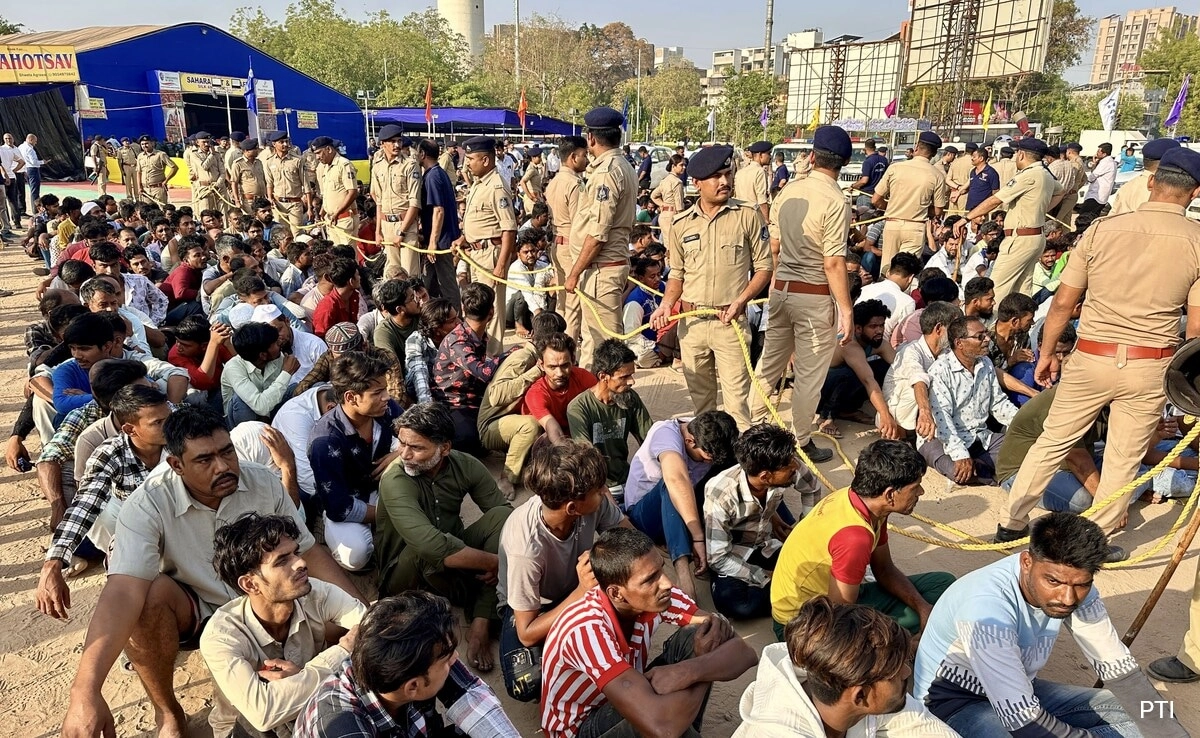
In recent months, several states across the United States have initiated a concerted effort to address the rising concerns surrounding illegal immigration, particularly focusing on individuals from Bangladesh. This crackdown is part of a broader strategy to enforce immigration laws more strictly and to ensure that those residing in the country without proper documentation are identified and dealt with according to the law. Law enforcement agencies, in collaboration with immigration authorities, have begun to conduct targeted operations aimed at uncovering and apprehending undocumented immigrants, with a specific emphasis on the Bangladeshi community.
The motivations behind this intensified enforcement include a range of factors, from economic concerns to security issues. Many state officials argue that illegal immigration strains public resources, impacts the job market, and poses challenges to community safety. By prioritizing the identification and deportation of undocumented immigrants, these states aim to alleviate some of these pressures. However, this approach raises significant ethical and humanitarian questions, as it affects families and individuals who may have established roots in their communities despite their undocumented status.
Critics of the crackdown argue that such measures can lead to racial profiling and unjust treatment of individuals based solely on their ethnicity. The Bangladeshi community, which has contributed to the cultural and economic fabric of the states in question, fears that these actions could lead to increased discrimination and social tensions. Advocacy groups are mobilizing to provide support for affected individuals, offering legal assistance and resources to help navigate the complexities of the immigration system. They emphasize the importance of compassionate solutions that address the underlying issues of immigration rather than punitive measures that can lead to family separations and social upheaval.
As the crackdown continues, the dialogue surrounding immigration policy remains contentious. States are grappling with how to balance the enforcement of laws with the need to treat individuals humanely and justly. This situation highlights the broader national debate on immigration reform, calling for comprehensive solutions that not only address illegal immigration but also consider the contributions of immigrant communities and the need for a more equitable immigration system. The outcomes of these state-level actions will have lasting implications, not only for Bangladeshi immigrants but for the landscape of immigration policy across the United States.