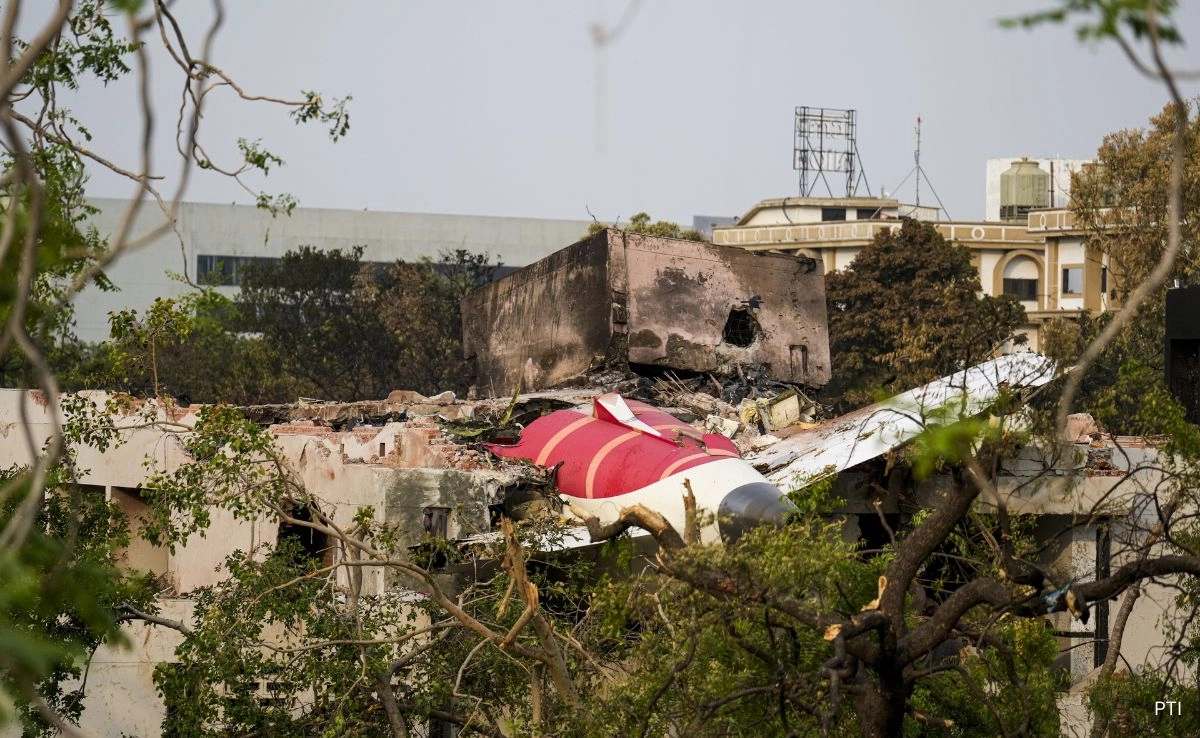
The recent article by the Wall Street Journal regarding the Air India crash has sparked significant backlash from pilots, who are expressing their discontent over what they perceive as a lack of factual accuracy and context in the reporting. The pilots have taken to social media and professional forums to voice their concerns, highlighting that critical details surrounding the incident were either omitted or misrepresented. This has led to a growing sense of frustration within the aviation community, as they believe that such inaccuracies not only misinform the public but also undermine the complex nature of aviation safety.
The pilots argue that the article fails to capture the multifaceted aspects of the crash, including the operational challenges faced by pilots in high-pressure situations. They emphasize that aviation incidents are rarely the result of a single factor; instead, they are often the culmination of various elements, including technical malfunctions, human error, and environmental conditions. By oversimplifying the narrative, the Wall Street Journal risks perpetuating misconceptions about the profession and the rigorous safety protocols that pilots adhere to in their daily operations.
Furthermore, the pilots have pointed out the importance of responsible journalism in the context of aviation safety. They contend that sensationalist reporting can lead to public fear and mistrust in air travel, which is one of the safest modes of transport. Accurate reporting is crucial in maintaining public confidence and ensuring that the aviation industry continues to uphold its commitment to safety. As a result, many pilots are calling for greater accountability from media outlets when covering such sensitive topics, urging them to engage with industry professionals to ensure that their reporting is grounded in factual evidence and a comprehensive understanding of aviation.
In response to the article, pilot associations are considering formal statements or actions to address the inaccuracies and advocate for better representation of their profession in the media. They believe that fostering a collaborative relationship with journalists could lead to more nuanced and accurate portrayals of aviation incidents in the future. By working together, pilots and journalists can contribute to a better-informed public and promote a more sophisticated understanding of the complexities involved in aviation safety. As this conversation unfolds, it becomes increasingly clear that both pilots and the media share a responsibility to convey the realities of air travel in a way that respects the intricacies of the industry and the lives at stake.