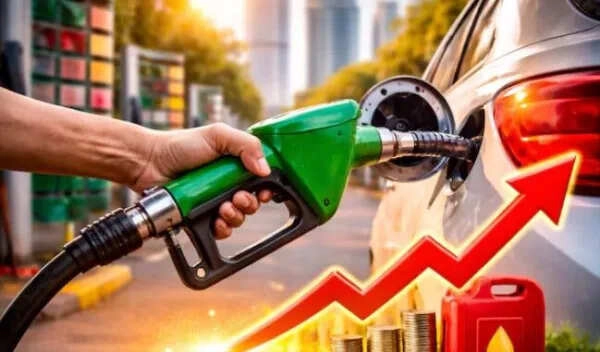
The prices of petrol and diesel have long been a point of contention in India, with fluctuations that impact the daily lives of millions. Recent discussions suggest that following the completion of elections in certain states, there may be significant hikes in fuel prices, with petrol potentially rising by ₹18 and diesel by ₹35. These proposed increases could deliver a substantial blow to the common man’s finances, already strained by rising costs of living.
Fuel prices are not merely numbers on a board; they have a ripple effect throughout the economy. When fuel prices rise, transportation costs increase, which in turn affects the prices of essential goods and services. This means that consumers will likely face higher prices in supermarkets and markets, making everyday necessities more expensive. For many households, this could result in difficult choices regarding budgeting and spending, further exacerbating financial pressures.
The timing of these potential increases, immediately following elections, raises questions about political motivations and the timing of such decisions. Voters may feel betrayed if they perceive that their needs were sidelined for electoral gains. This situation highlights the delicate balance between governance and the economy, especially in a country where a significant portion of the population is sensitive to price changes.
As the nation watches the developments, the focus will be on how the government manages these hikes and communicates the rationale behind them. Transparency and effective communication will be crucial to mitigate public backlash and maintain trust. Ultimately, the implications of these price changes will be far-reaching, affecting not just individual households but the overall economic landscape of the country.