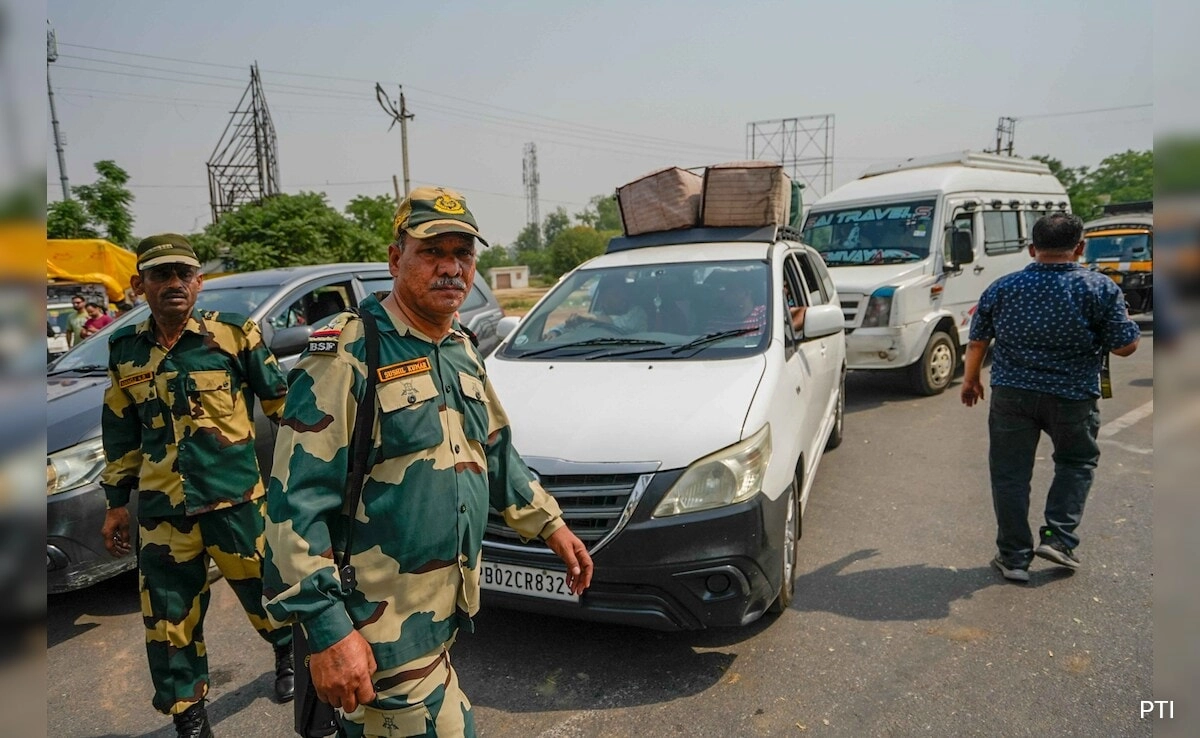
In the wake of the recent terror attack in Pahalgam, India has taken significant measures to bolster its national security and address the regional tensions that have escalated following the incident. The Indian government has announced a temporary shutdown of its airspace for Pakistan, a move that underscores the gravity of the situation and reflects the ongoing concerns regarding cross-border terrorism. This decision is seen as a direct response to the attack, which has heightened public outrage and called for stringent actions against external threats. By closing its airspace, India aims to prevent any potential hostile activities that could arise from its neighbor, ensuring the safety and security of its citizens.
In addition to the airspace restrictions, the Indian authorities have also targeted social media platforms to limit the influence of Pakistani celebrities and actors. Many Pakistani actors have had their Instagram handles blocked, a move that is part of broader efforts to curtail cultural exchanges that could be perceived as normalizing relations with a country currently viewed with suspicion. This action is indicative of the prevailing sentiment among the Indian populace and the government’s intent to take a firm stand against any form of perceived support for Pakistan amidst ongoing tensions. Such decisions reflect a growing trend where cultural diplomacy is often overshadowed by security concerns, particularly in times of crisis.
The Pahalgam attack has reignited discussions on national security and the need for a unified response to terrorism. The government’s actions, both in airspace management and social media regulation, are likely to receive mixed reactions from the public and political analysts. Some may argue that these measures are necessary for safeguarding national interests, while others might view them as detrimental to the prospects of peace and dialogue between the two nations. As the situation continues to develop, it remains crucial for India to navigate these challenges with a balanced approach, addressing immediate security concerns while also considering long-term implications for regional stability and bilateral relations.