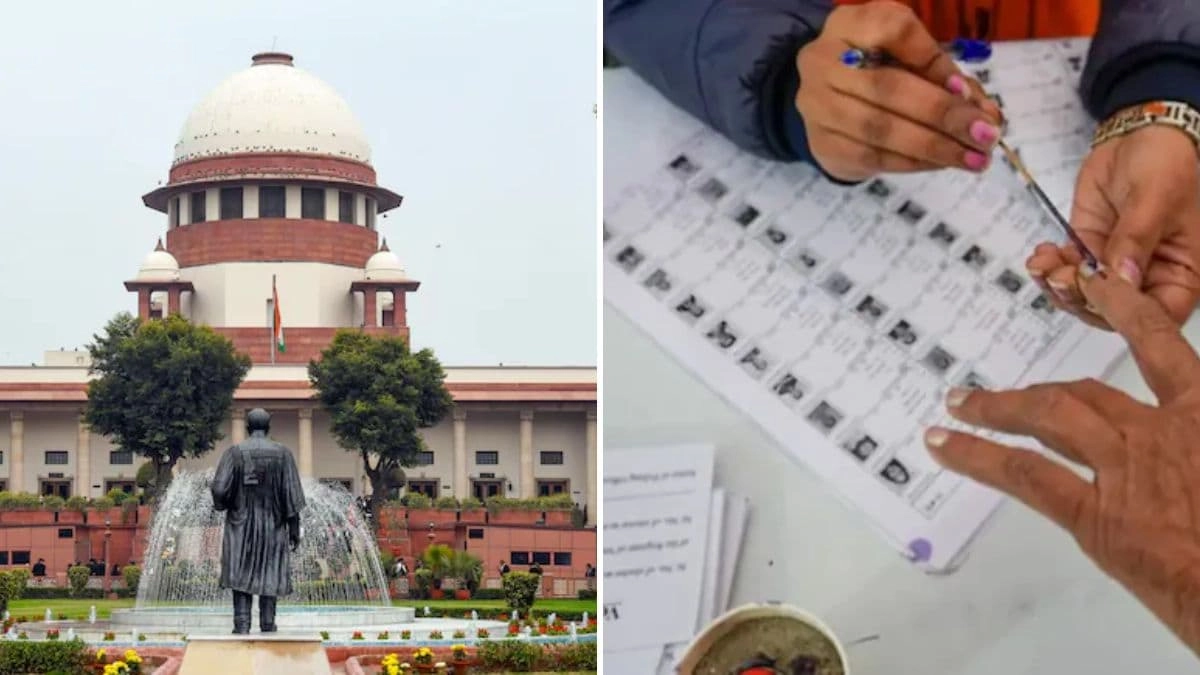
The recent ruling by the Supreme Court regarding the revision of the voter list in Bihar has generated significant attention, primarily due to its implications for electoral integrity and democratic processes in India. The court clarified that its decision should not be interpreted as anti-voter; rather, it emphasized the importance of ensuring that the electoral rolls are updated and accurate. The revision of voter lists is crucial in maintaining the democratic principle of fair representation, as it ensures that all eligible citizens have the opportunity to participate in the electoral process.
In its judgment, the Supreme Court acknowledged the necessity of a comprehensive and updated voter list, which reflects the current demographics of the population. This process is vital for enfranchising new voters, including young individuals who reach voting age and those who have recently shifted residence. The court’s ruling highlighted the responsibility of the Election Commission to carry out this revision diligently, ensuring that the electoral rolls are both inclusive and precise. By doing so, the court aims to bolster public confidence in the electoral system and to mitigate any potential disenfranchisement of voters.
Moreover, the Supreme Court’s stance reinforces the idea that a transparent and efficient electoral process is fundamental to a functioning democracy. By mandating the revision of the voter list, the court is advocating for a system where every citizen’s voice can be heard and counted. This decision is particularly pertinent in the context of Bihar, a state that has historically faced challenges related to voter representation and electoral participation. The court’s ruling serves as a reminder of the ongoing efforts needed to strengthen the democratic framework in India, ensuring that all voices are represented in the political arena.
Ultimately, the Supreme Court’s ruling on the Bihar voter list revision highlights the delicate balance between administrative processes and the fundamental rights of citizens. It underscores the necessity for the Election Commission to undertake its duties with due diligence, ensuring that the electoral rolls are accurate and reflective of the current population. This ruling not only aims at enhancing electoral participation but also at protecting the integrity of the democratic process, reaffirming the idea that every citizen has the right to vote and be represented in governance.