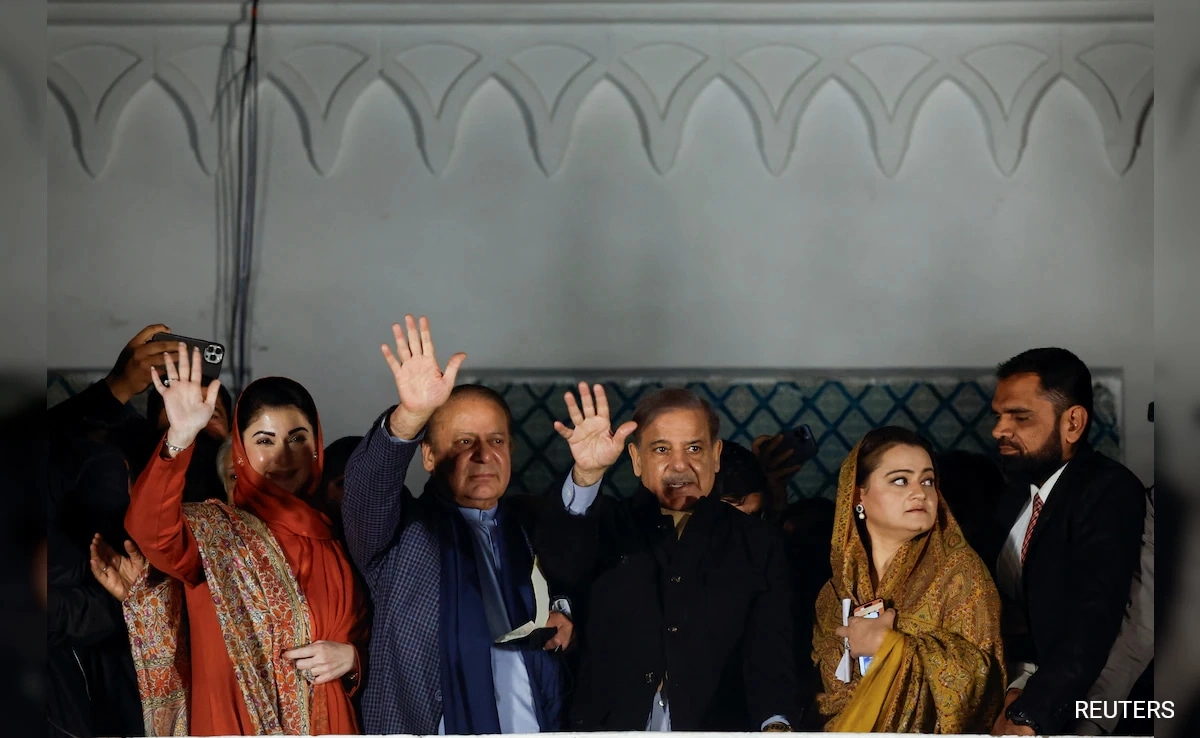
In a recent development in Pakistani politics, former Prime Minister Nawaz Sharif has urged the current Prime Minister of Pakistan to adopt a diplomatic approach to ease tensions with India. This recommendation comes at a time when relations between the two neighboring countries remain strained due to various geopolitical issues. Sharif’s call for a more conciliatory stance highlights a growing recognition of the importance of dialogue in resolving longstanding disputes. He emphasizes that diplomatic engagement could pave the way for a more peaceful coexistence, ultimately benefiting both nations.
Sharif’s advice is rooted in the belief that escalating tensions can lead to detrimental consequences not only for Pakistan and India but also for the broader region. By advocating for diplomacy, he suggests that the Pakistani government should prioritize discussions over conflict, focusing on common interests and potential areas for cooperation. This approach could help to alleviate the fears and tensions that have historically characterized relations between the two countries, which have been marred by conflicts over territorial disputes and security concerns.
The former Prime Minister’s remarks come at a pivotal moment, as both countries are facing internal and external challenges that could be mitigated through improved bilateral relations. Economic stability, regional security, and humanitarian issues are areas where collaboration could yield significant benefits. Sharif’s perspective reflects a desire for a more constructive engagement strategy that moves away from hostility and toward understanding. In light of this, it is essential for the current administration to consider these insights as they navigate the complexities of foreign policy and regional dynamics.
As Pakistan seeks to strengthen its position on the global stage, fostering positive relations with India could be a crucial step. Historical grievances should not overshadow the potential for a new chapter in bilateral ties. Nawaz Sharif’s advice reinforces the notion that diplomacy, dialogue, and mutual respect can serve as powerful tools in bridging divides. By focusing on shared goals and aspirations, both nations can work towards a future that prioritizes peace and prosperity over conflict and tension.