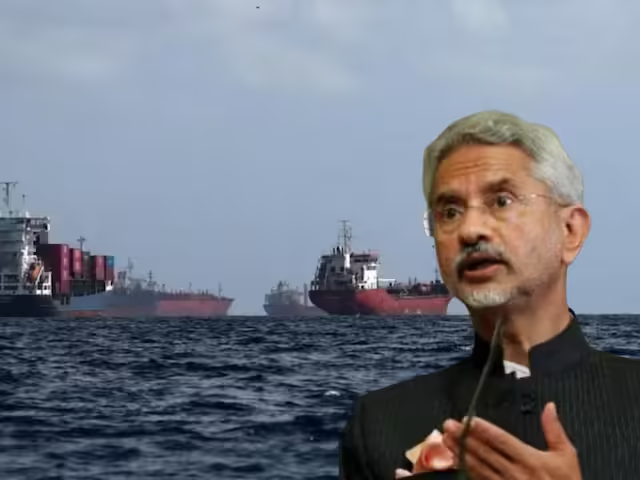
Indian External Affairs Minister S. Jaishankar recently revealed an intriguing development regarding the passage of Indian oil tankers through the strategically significant Strait of Hormuz. This region, known for its critical role in global oil transport, has often been a focal point of geopolitical tensions. The revelation comes amid heightened concerns about the stability and security of maritime routes in the context of ongoing global energy demands.
Jaishankar’s disclosure points to a significant diplomatic shift, wherein Iran has granted permission for Indian oil tankers to transit through the Hormuz Strait. This move is surprising to many, given the historical complexities of India-Iran relations and Iran’s often fraught interactions with various countries. The implication of this permission reflects a broader strategy by Iran to strengthen ties with India, particularly in the energy sector. It suggests that Tehran is keen to enhance its relationship with New Delhi, possibly as a counterbalance to its isolation from Western nations.
The shocking reason behind this decision may lie in Iran’s need for allies amid increasing sanctions and economic pressures. By allowing Indian tankers to pass through its waters, Iran not only secures a critical trade relationship but also sends a message of resilience against external pressures. For India, this development ensures a steady supply of oil, which is vital for its growing economy. The collaboration between the two nations in this regard could reshape the dynamics of energy security in the region, emphasizing the importance of strategic partnerships in navigating complex geopolitical landscapes.
Overall, this revelation highlights the intricate web of diplomacy and economic necessity that characterizes international relations today, particularly in regions where energy resources are paramount. As countries like Iran seek to fortify their alliances, the implications of such decisions will resonate well beyond their immediate geographic confines, influencing global energy markets and geopolitical stability for years to come.