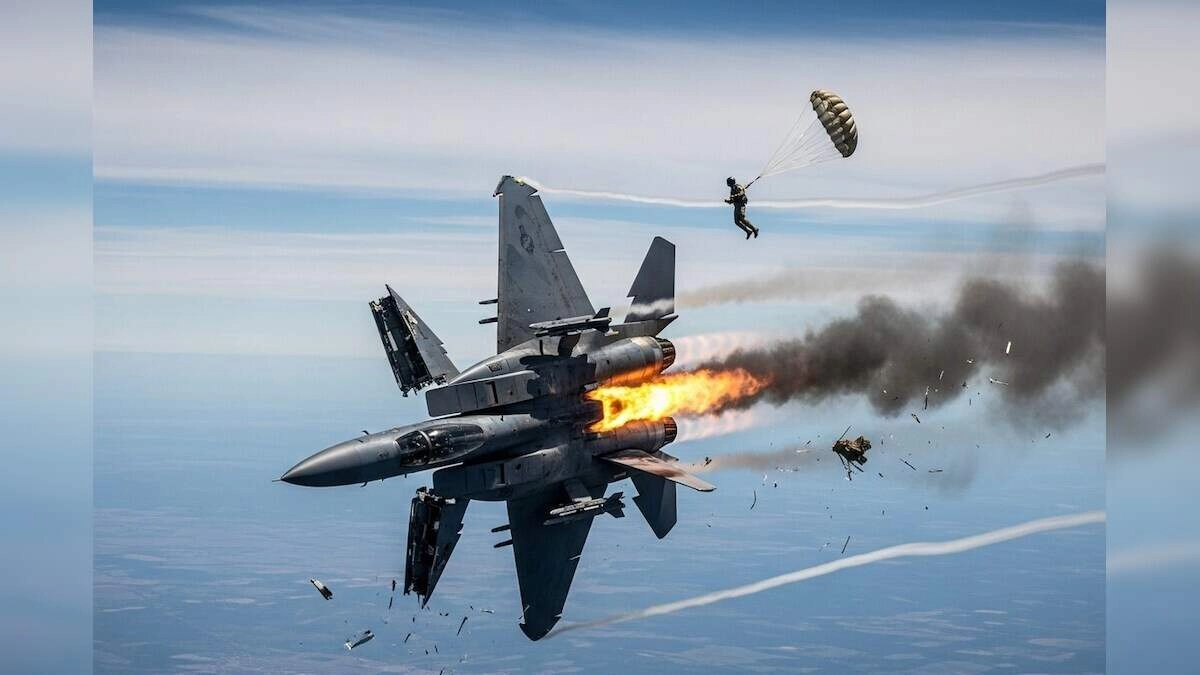
The news of the Iranian military downing an American F-15 jet has sent shockwaves around the globe, igniting fears of escalating tensions in the region. Former U.S. President Donald Trump reacted to the incident, asserting that the conflict is far from over. This development raises significant concerns not only for the United States and Iran but also for the broader international community, which is already on edge due to the long-standing hostilities between these two nations.
The F-15, a sophisticated fighter jet known for its advanced capabilities, represents a critical asset in the U.S. military arsenal. Its downing by Iranian forces highlights the growing military prowess of Iran and the potential for increased confrontations in the skies. Analysts suggest that this incident could serve as a catalyst for further military engagement, with both sides potentially escalating their responses. The fear of a larger conflict looms as nations worldwide watch closely, weighing their geopolitical strategies in light of this recent event.
In response to Trump’s comments, many are questioning the implications of continued military presence in the region. The former president’s assertion that the war is not over may signal a shift in U.S. policy or a rallying cry for supporters who believe in a strong military stance against perceived threats. As the situation unfolds, diplomatic channels may become increasingly strained, with calls for dialogue and de-escalation growing louder. The world is now left to ponder the consequences of this incident and what it means for future U.S.-Iran relations and international stability as a whole.