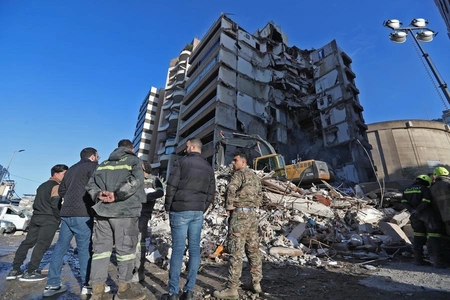
The international community has expressed its approval of the ceasefire between Israel and Lebanon, marking a significant step towards restoring peace in a region that has seen prolonged conflict. This ceasefire, which has garnered attention from various nations and international organizations, is seen as a crucial development in fostering dialogue and reducing tensions between the two nations. Many leaders and diplomats emphasized the importance of maintaining this cessation of hostilities to ensure a lasting peace and stability in the region.
The ceasefire has been welcomed not only for its immediate impact on reducing violence but also for the potential it holds for future negotiations. Observers suggest that this pause in fighting could create an opportunity for both nations to engage in constructive dialogue, addressing underlying issues that have historically fueled conflict. The international community is hopeful that this will lead to a more comprehensive peace agreement that addresses the concerns of both parties and contributes to regional stability.
In addition to political leaders, humanitarian organizations have also voiced their support for the ceasefire, highlighting the urgent need for humanitarian assistance in affected areas. The cessation of hostilities allows for the delivery of much-needed aid to civilians who have suffered due to the ongoing conflict. As the international community rallies behind this ceasefire, there is a sense of cautious optimism that it could pave the way for a more peaceful coexistence between Israel and Lebanon, fostering a climate of cooperation rather than confrontation.