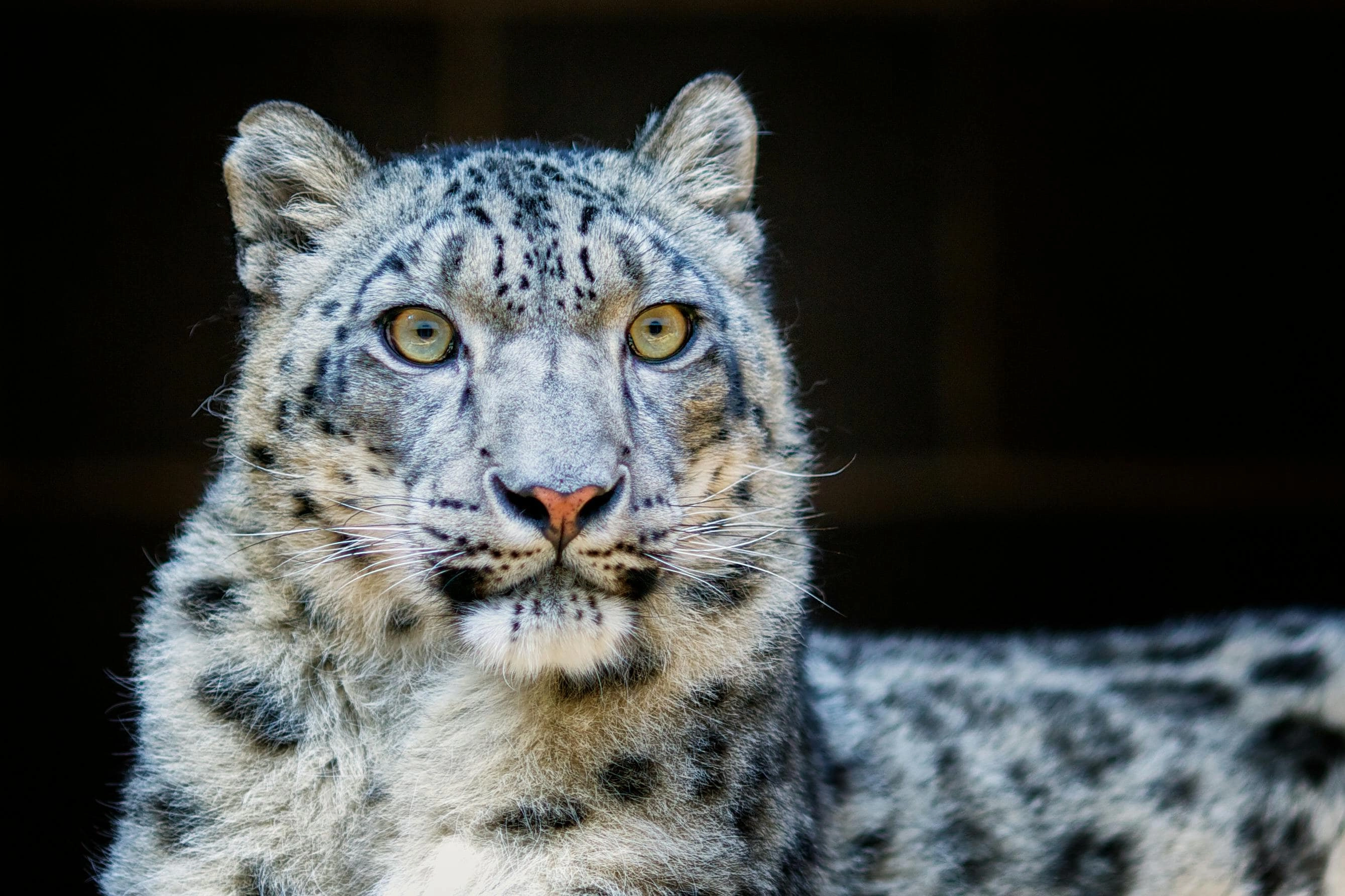
Himachal Pradesh has recently made headlines with a significant increase in its snow leopard population, now totaling 83 individuals. This remarkable rise, which reflects a 62% increase over the past four years, showcases the successful conservation efforts undertaken in the region. Snow leopards, known for their elusive nature and stunning beauty, have long been a symbol of the fragile ecosystems of the high Himalayas. The increase in their numbers is not only a testament to the effectiveness of wildlife protection measures but also highlights the importance of preserving their natural habitat.
The growth in the snow leopard population can be attributed to a combination of factors, including enhanced conservation initiatives, habitat management, and community involvement in wildlife protection. Local communities have been engaged in various conservation programs, which have fostered a sense of stewardship towards these magnificent cats. By educating residents about the ecological significance of snow leopards and involving them in monitoring efforts, authorities have successfully created a more favorable environment for these big cats to thrive.
Moreover, the increase in the snow leopard population is indicative of the overall health of the ecosystem in Himachal Pradesh. As apex predators, snow leopards play a crucial role in maintaining the balance of their habitats. Their presence indicates a thriving population of prey species and a well-maintained ecological structure. This positive trend is essential not only for the species itself but also for the biodiversity of the region, which is home to a myriad of unique flora and fauna.
The government’s commitment to wildlife conservation, coupled with collaborative efforts from local communities and NGOs, has proven effective in reversing the decline of snow leopards in Himachal Pradesh. Continued focus on habitat preservation, anti-poaching measures, and community engagement will be vital in ensuring the long-term survival of this iconic species. As the state celebrates this milestone, it also serves as a reminder of the ongoing challenges faced in wildlife conservation and the need for sustained efforts to protect these magnificent creatures and their habitats for future generations.