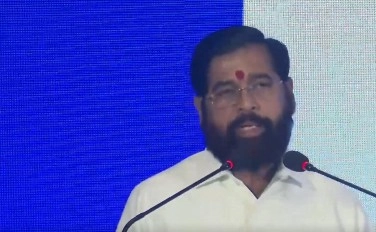
Eknath Shinde has accused Rahul Gandhi of tarnishing India’s image on the global stage. This statement comes in the context of ongoing political tensions in the country, where leaders from various parties often engage in fierce debates over national integrity and representation. Shinde, a prominent political figure, emphasized that public statements made by politicians can significantly impact how the world perceives India, especially in sensitive international matters.
The accusations stem from remarks made by Gandhi during his recent speeches abroad, where he criticized the current government’s policies and highlighted issues such as human rights and democracy in India. Shinde contends that such criticisms, especially when voiced in foreign lands, can lead to a negative portrayal of the nation, undermining the efforts of the government to project India as a rising power on the global stage.
Shinde’s comments reflect a broader concern among certain political factions that the opposition’s narrative could harm India’s diplomatic relations and economic prospects. He urges leaders to be more mindful of their words and the potential consequences they may carry. In an era where information travels rapidly and public opinion can shift with a single statement, the responsibility of political leaders to foster a positive image of the country becomes paramount.
This clash between Shinde and Gandhi exemplifies the ongoing struggle for narrative control in Indian politics. As both sides continue to grapple with issues of governance and national pride, the discourse surrounding India’s image is likely to remain a contentious point in the political arena. The implications of such statements extend beyond politics, influencing how citizens view their own country and its place in the world.