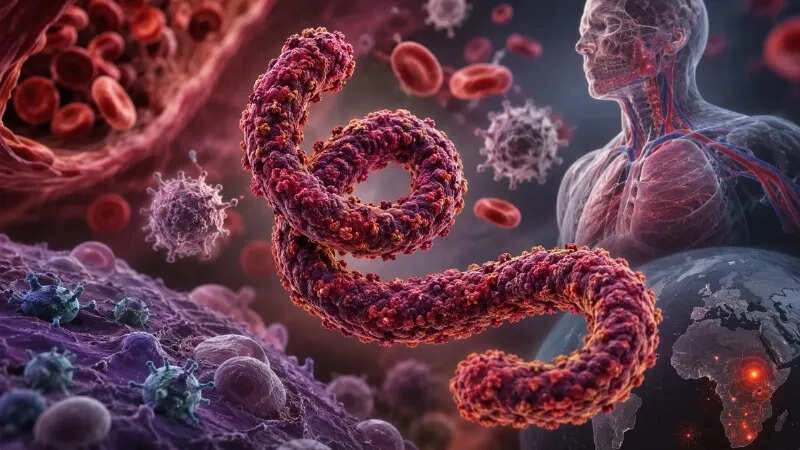
The world has been gripped by fear of the Ebola virus due to its high fatality rate and the severity of the disease it causes. Ebola, a viral hemorrhagic fever, is transmitted to humans through direct contact with the bodily fluids of infected individuals or animals. The symptoms of Ebola typically appear 2 to 21 days after exposure and include fever, severe headache, muscle pain, weakness, diarrhea, vomiting, abdominal pain, and unexplained bleeding or bruising. The rapid onset of these symptoms, combined with the potential for the virus to cause widespread outbreaks, has made it a significant public health concern.
Prevention is key in combating Ebola. To minimize the risk of infection, individuals are advised to avoid contact with infected patients, follow strict hygiene practices, and use protective gear when caring for patients. In regions where the virus is endemic, awareness campaigns educate communities about the risks associated with handling bushmeat and the importance of safe burial practices for those who have died from the disease. Vaccination has also emerged as a crucial tool in controlling outbreaks, with successful trials showing that the Ebola vaccine can significantly reduce the risk of infection among high-risk populations.
Treatment for Ebola has evolved over the years, with several therapeutic options now available. Supportive care, including rehydration and symptomatic treatment, plays a vital role in managing the disease. In recent years, antiviral treatments have been developed and authorized for use in Ebola cases, showing promise in reducing mortality rates. Clinical trials continue to explore additional treatment options to enhance recovery rates and further improve outcomes for those affected by the virus. The concerted efforts of health organizations, governments, and researchers are essential in the ongoing fight against Ebola, as they work to prevent outbreaks and save lives.