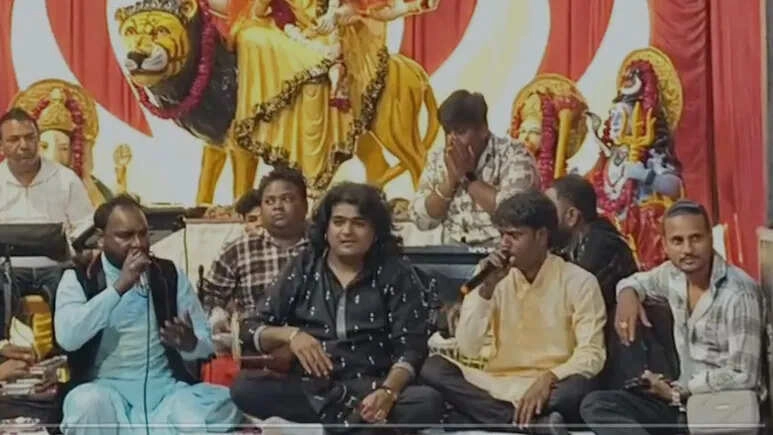
During a recent religious gathering in Ajmer, a controversy erupted surrounding a qawwali performance, leading to heightened opposition and protests. The event, intended to be a celebration of spiritual music and devotion, took an unexpected turn when certain elements of the performance were deemed inappropriate by some attendees. This disagreement quickly escalated, drawing attention from both local communities and media outlets.
The qawwali, a form of Sufi devotional music, is traditionally known for its expressive lyrics and emotional delivery, often aimed at transcending worldly concerns and connecting with the divine. However, the specific content of the performance in Ajmer raised questions about the line between tradition and modern interpretation. Critics argued that certain elements of the qawwali did not align with the core values of the religious gathering, leading to a clash of opinions among the audience.
As the discontent grew, various groups began to voice their objections, organizing protests and calling for a reevaluation of the program’s content. The situation highlighted the broader societal tensions regarding cultural practices and religious expressions, reflecting the challenges faced in balancing tradition with contemporary influences. The event served as a reminder of the complexities involved in cultural celebrations, where the intent to foster unity through art can sometimes lead to division and dissent.
In response to the escalating tensions, organizers of the event issued statements urging dialogue and understanding among the factions involved. They emphasized the importance of preserving the essence of qawwali while being sensitive to the sentiments of the audience. As the community navigates this controversy, it becomes crucial to foster an environment where diverse opinions can coexist, allowing for a richer appreciation of the cultural heritage that qawwali represents.