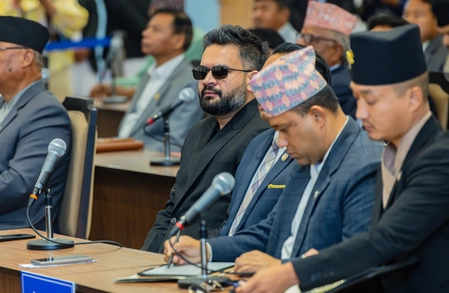
In the inaugural session of the Nepalese Parliament, a significant debate erupted surrounding the arrest of former Prime Minister K.P. Sharma Oli. This event marks a critical moment in Nepal’s political landscape, as it involves a prominent figure who has previously held the highest office in the country. The discussions in the Parliament were heated, reflecting the deep divisions within the political sphere regarding Oli’s actions and the implications of his arrest for the stability of the government.
Oli, who has been a key player in Nepalese politics, faced legal challenges that have sparked controversy and concern among his supporters and opponents alike. The debate in Parliament highlighted the differing perspectives on the legality and motivations behind his arrest. Supporters of Oli argued that the charges against him are politically motivated, aimed at undermining his leadership and influence in the political arena. In contrast, critics contended that the arrest is a necessary step towards accountability and justice, emphasizing the rule of law and the need to address corruption within the political system.
The discussions also touched on the broader implications of this situation for Nepal’s democracy. Some lawmakers expressed fears that the arrest could lead to further polarization and unrest in a country already grappling with various political and social challenges. Others urged for a more united front to ensure that the democratic processes are upheld, regardless of individual political affiliations. This tumultuous debate underscores the fragility of Nepal’s political environment and the ongoing struggle for power and governance in the nation.
As the debate continues, the future of K.P. Sharma Oli and the political dynamics in Nepal remain uncertain. The outcome of this situation could have lasting effects on the country’s political stability and the trust of the citizens in their leaders and institutions. The Parliament’s response to this issue will be closely watched, as it may set a precedent for how similar cases are handled in the future, influencing the trajectory of Nepal’s political landscape for years to come.