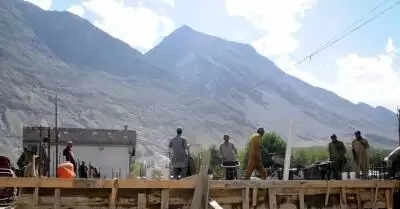
Concerns have arisen following the recent shooting of protesters in Rawalkot, located in Pakistan-administered Kashmir (PoK). This incident has sparked questions regarding the prevailing circumstances and the broader implications for civil rights and governance in the region. Eyewitness accounts suggest that a peaceful demonstration, aimed at highlighting local grievances, escalated when law enforcement intervened, leading to the tragic use of live ammunition against the crowd. Such actions have raised alarms about the treatment of dissent and the response of authorities to peaceful assemblies.
The incident has not only drawn attention to the immediate violence but also to the underlying issues that prompt citizens to protest in the first place. Many residents of Rawalkot and surrounding areas have expressed frustration over governance, lack of basic services, and economic hardships. The heavy-handed response by security forces has led to a climate of fear and suppression, further complicating the already tense relationship between the people and the authorities. This situation has stirred debates among political analysts and human rights advocates about the need for accountability and reform in the region.
Moreover, the shooting incident has garnered media coverage, prompting calls for international attention to the human rights situation in PoK. Activists are urging global watchdogs to investigate the circumstances surrounding the protest and the subsequent violence. The outcry is not just a local issue but resonates with broader themes of democracy and human rights, as citizens seek to express their voices in a region often marked by political turmoil. As the situation unfolds, it remains crucial for both local and international communities to monitor developments and advocate for peaceful resolutions to conflicts.