
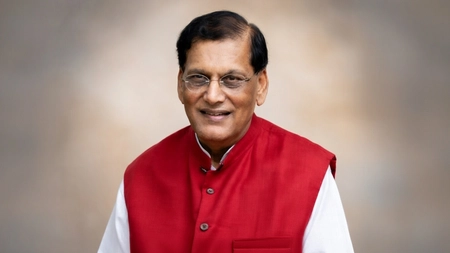
Bindeshwar Pathak: How India’s ‘Toilet Man’ Became a Global Example with the ‘Sulabh Model’
Bindeshwar Pathak, widely known as India’s ‘Toilet Man,’ has made significant contributions to the sanitation sector in India and beyond. He is the founder of the Sulabh International Social Service Organization, which has pioneered the movement for sanitation and hygiene in the country. Pathak recognized early on that the lack of proper sanitation facilities was a major issue affecting public health, particularly for the underprivileged. His vision was not merely to build toilets but to create a comprehensive model that would also empower communities, promote hygiene, and enhance the quality of life for millions.
The Sulabh model emphasizes the importance of public toilets that are accessible, affordable, and maintained with dignity. It integrates education and awareness programs to sensitize communities about the significance of sanitation. Pathak’s approach has brought about a cultural shift in how people perceive sanitation, transforming it from a neglected aspect of public health into a priority. Through innovative designs and the use of sustainable technologies, the Sulabh initiative has been able to construct thousands of public toilets across India. This model has garnered international attention, serving as an example for other countries grappling with similar sanitation challenges.
Furthermore, Bindeshwar Pathak’s work extends beyond just building toilets; he has focused on social entrepreneurship and environmental sustainability. The Sulabh organization has developed a technology for converting human waste into biogas, which can be used for cooking and lighting, thus promoting renewable energy. This not only addresses waste management but also contributes to energy security in rural areas. Pathak’s efforts have earned him numerous accolades and recognition on global platforms, exemplifying how one individual can spark transformative change by tackling a fundamental issue like sanitation.
The success of the Sulabh model is a testament to Pathak’s belief in the power of grassroots movements to address complex societal problems. His work has inspired initiatives worldwide, proving that innovative solutions can emerge from understanding local needs and fostering community involvement. As countries continue to confront the challenges of sanitation and hygiene, the lessons learned from Bindeshwar Pathak’s journey remain relevant and impactful, showcasing the potential for sustainable solutions to improve public health and empower individuals.


