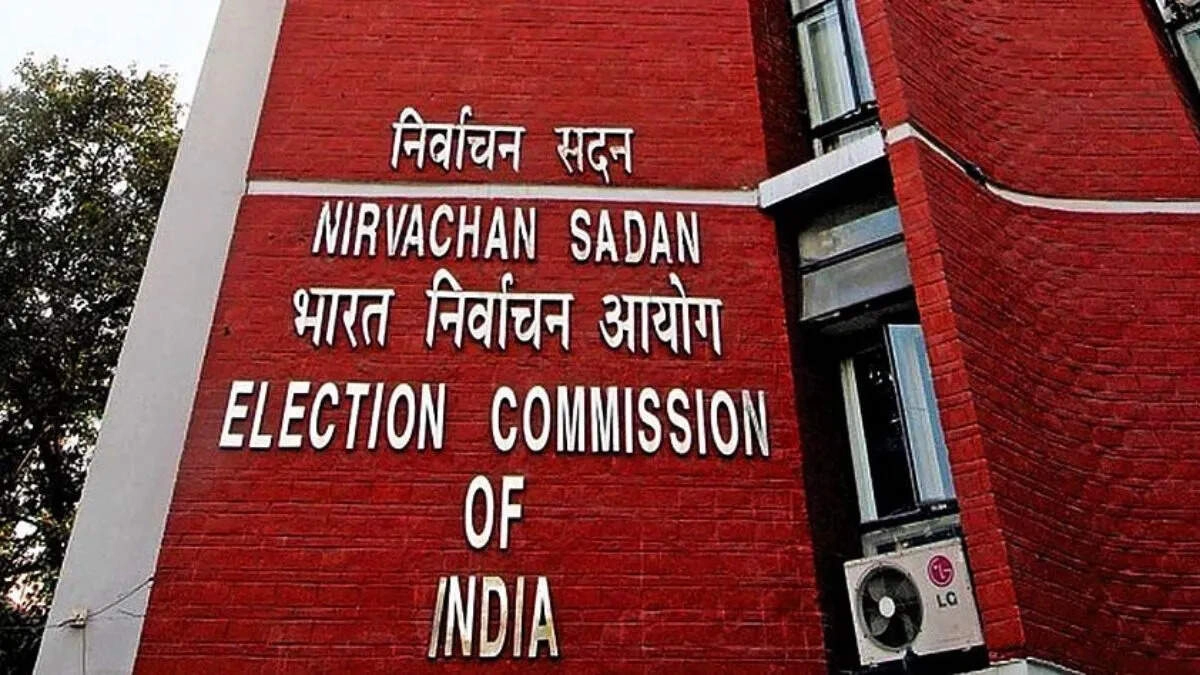
The announcement for the assembly elections in five states has generated significant attention across the nation. The elections are set to take place in Assam, Kerala, Puducherry, West Bengal, and Tamil Nadu. In Assam, Kerala, and Puducherry, voting will occur on April 9. This synchronized voting schedule aims to facilitate a more efficient electoral process in these regions, allowing voters to make their voices heard simultaneously.
Meanwhile, West Bengal will conduct its voting in two phases, reflecting the state’s unique demographic and political landscape. This two-phase voting arrangement is expected to accommodate the diverse electoral needs and ensure a smooth polling experience. The electoral commission has stated that the results of these elections will be announced on May 4, providing a clear timeline for political parties and candidates to prepare for the outcomes.
With these elections, the political landscape in these states could undergo significant changes. Each state has its own set of challenges and issues that resonate with the electorate, ranging from economic concerns to social justice and governance. As candidates campaign vigorously to win the confidence of the voters, the elections will serve as a critical barometer of public sentiment and political trends in the country. The anticipation surrounding these polls highlights the importance of democratic processes in shaping the future of these regions.