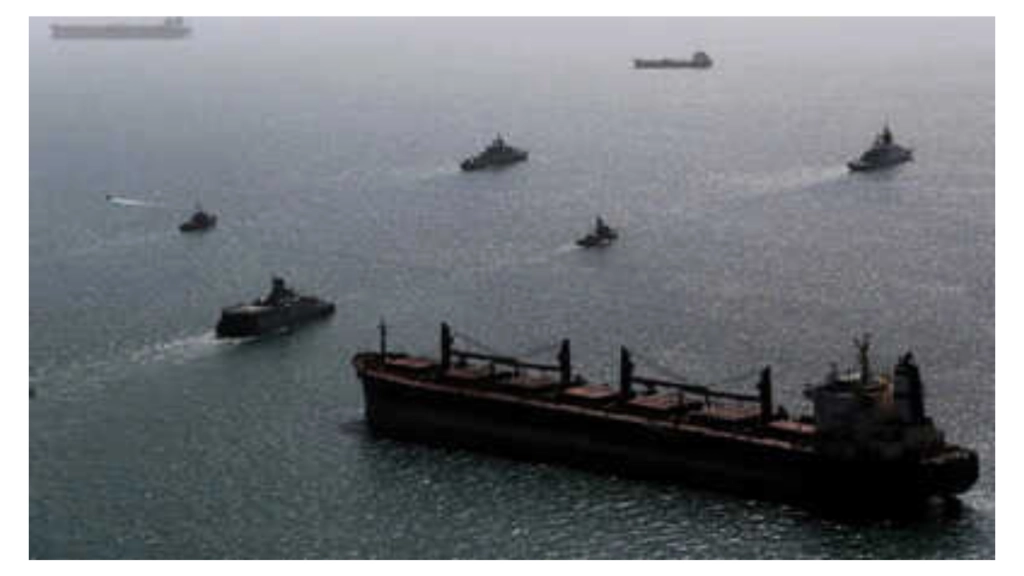
Despite the American blockade, five Chinese tankers successfully crossed the Hormuz Strait, highlighting a significant geopolitical development in the region. The Strait of Hormuz is a critical chokepoint for global oil transportation, and the movement of these tankers demonstrates China’s determination to continue its trade relations with Iran, particularly in the face of mounting pressure from the United States. This bold move not only underscores the resilience of China’s energy strategy but also raises questions about the effectiveness of the U.S. sanctions aimed at curbing Iranian oil exports.
The crossing of these tankers comes at a time when tensions between Iran and the U.S. are escalating over the nuclear deal negotiations. The Biden administration has been attempting to revive the Joint Comprehensive Plan of Action (JCPOA), which aims to limit Iran’s nuclear capabilities in exchange for the lifting of economic sanctions. However, the progress has been stymied by various diplomatic hurdles, and the involvement of Chinese tankers could further complicate these negotiations. China’s support for Iran may embolden Tehran in its negotiations, making it more challenging for the U.S. and its allies to reach a consensus.
This development also reflects the shifting dynamics in international relations, where countries like China are willing to assert their influence despite the risks posed by U.S. sanctions. The successful passage of the tankers could signal to other nations that defying U.S. sanctions is feasible, potentially leading to increased trade with Iran and a stronger alliance between Tehran and Beijing. As the situation unfolds, the implications of this incident may resonate beyond the immediate region, affecting global oil markets and the broader geopolitical landscape.