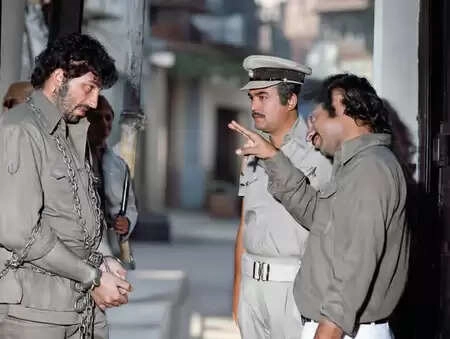
The iconic film “Sholay,” directed by Ramesh Sippy, is celebrated not just for its thrilling storyline and unforgettable characters but also for its timeless dialogues that have become an integral part of Indian pop culture. One of the most famous lines from the film, “Kitne aadmi the?” (How many men were there?), spoken by the villainous character Gabbar Singh, has transcended the film itself and is often quoted in various contexts, symbolizing a sense of inquiry or confrontation. This line encapsulates the essence of Gabbar’s menacing persona and serves as a reminder of the film’s intense moments.
Another memorable dialogue from “Sholay” is “Jo dar gaya, samjho mar gaya” (He who is afraid is as good as dead). This line reflects the film’s overarching themes of bravery and camaraderie among the protagonists, particularly in their fight against the tyrannical Gabbar Singh. The dialogue not only signifies the characters’ resilience but also resonates with audiences, encouraging them to confront their fears. These dialogues are not just mere lines; they are powerful statements that evoke emotions and resonate with viewers, establishing a strong connection between the characters and the audience.
The brilliance of “Sholay” lies in its ability to blend humor, action, and drama, all while delivering dialogues that have become etched in the collective memory of Indian cinema. Ramesh Sippy’s direction, coupled with memorable performances by actors like Amitabh Bachchan, Dharmendra, and Hema Malini, contributed to the film’s legendary status. The dialogues serve as a reminder of the film’s impact, not just within the realm of cinema but also in everyday conversations, where phrases from “Sholay” are often used to express sentiments or humorous situations.
In conclusion, the dialogues of “Sholay” have left an indelible mark on Indian cinema, showcasing the power of words in storytelling. Ramesh Sippy’s masterful direction and the film’s unforgettable script have turned these lines into cultural touchstones that continue to be referenced and celebrated. From “Kitne aadmi the?” to “Jo dar gaya, samjho mar gaya,” these dialogues reflect the film’s enduring legacy and its influence on generations of viewers, making “Sholay” a true classic in the annals of Indian film history.