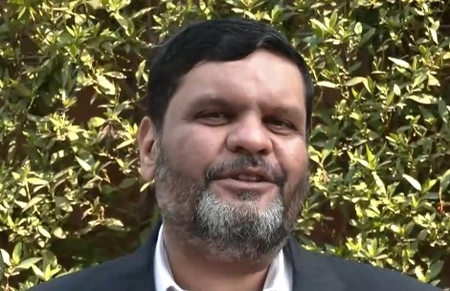
Gaurav Vallabh has made a striking statement regarding Mallikarjun Kharge, suggesting that he has become a puppet of a family. This assertion raises questions about the dynamics of leadership within political parties and the influence of familial ties on decision-making processes. In many political contexts, leaders are often seen as extensions of their party’s ideology and values; however, Vallabh’s comment implies that Kharge’s actions and strategies may be overly influenced by external factors, particularly a powerful family.
The mention of Kharge being a “puppet” suggests a lack of agency or independence in his leadership role. This can be concerning for party members and supporters who expect their leaders to act in the best interests of the organization and its constituents rather than being swayed by familial allegiances. Such scenarios are not uncommon in politics, where familial connections can sometimes overshadow meritocracy and individual capabilities. The implications of Vallabh’s statement could resonate throughout the political landscape, prompting discussions about the importance of autonomy and accountability in leadership positions.
Moreover, this situation can lead to a wider discourse about the role of political families in contemporary governance. The idea that a leader might prioritize family interests over party goals can erode trust among party members and the public. It raises critical questions about the integrity of political processes and the extent to which personal relationships can influence decision-making. As political affiliations continue to evolve, the need for leaders who are willing to assert their independence and prioritize the collective good over personal or familial interests becomes increasingly paramount.
In essence, Gaurav Vallabh’s comments about Mallikarjun Kharge serve as a catalyst for deeper discussions about leadership ethics, the influence of family in politics, and the expectations placed on political leaders to navigate these complexities with integrity and transparency. The political landscape is ever-changing, and the ability of leaders to maintain their autonomy while effectively representing their parties will be crucial in shaping the future of governance.