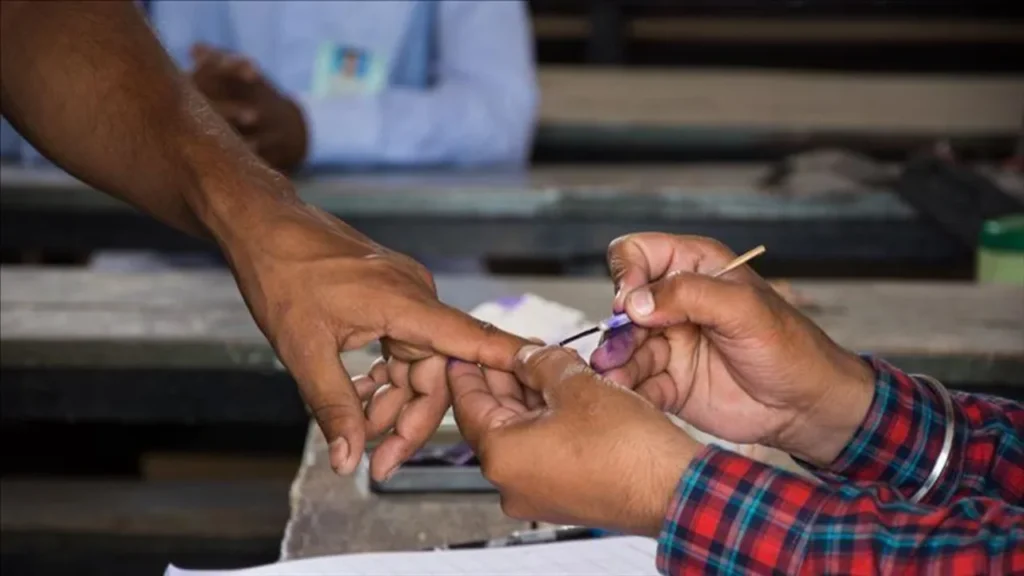
Voting is a fundamental right and an essential part of participating in a democratic society. However, the requirement for a voter ID can sometimes create barriers for individuals who may not possess the necessary identification. In many places, voter ID laws are in place to ensure the integrity of the electoral process, but they can also disenfranchise eligible voters who may not have access to these forms of ID. For those who find themselves without a voter ID, it is crucial to understand the alternative options available for casting a ballot.
In some jurisdictions, voters without a valid ID may still be able to cast their votes by providing alternative forms of identification or by signing an affidavit affirming their identity. This process varies by state or region, and it is essential for voters to be informed about the specific requirements in their area. Many states allow voters to present documents such as utility bills, bank statements, or government correspondence that include their name and address. These documents can serve as proof of identity and residency.
Additionally, some states may offer alternative voting methods, such as provisional ballots. A provisional ballot allows a voter to cast their vote even if there are questions about their eligibility or identification. After Election Day, election officials will verify the voter’s information, and if everything checks out, the ballot will be counted. This process ensures that individuals who may face challenges in providing ID are still able to participate in the election.
Ultimately, being prepared and informed about voting requirements is essential for ensuring that every eligible voter can exercise their right to vote, even in the absence of a traditional voter ID. Citizens should research their local election laws and stay updated on any changes that may affect their voting experience. By doing so, they can ensure that their voices are heard and that they play an active role in shaping their communities and governing bodies.