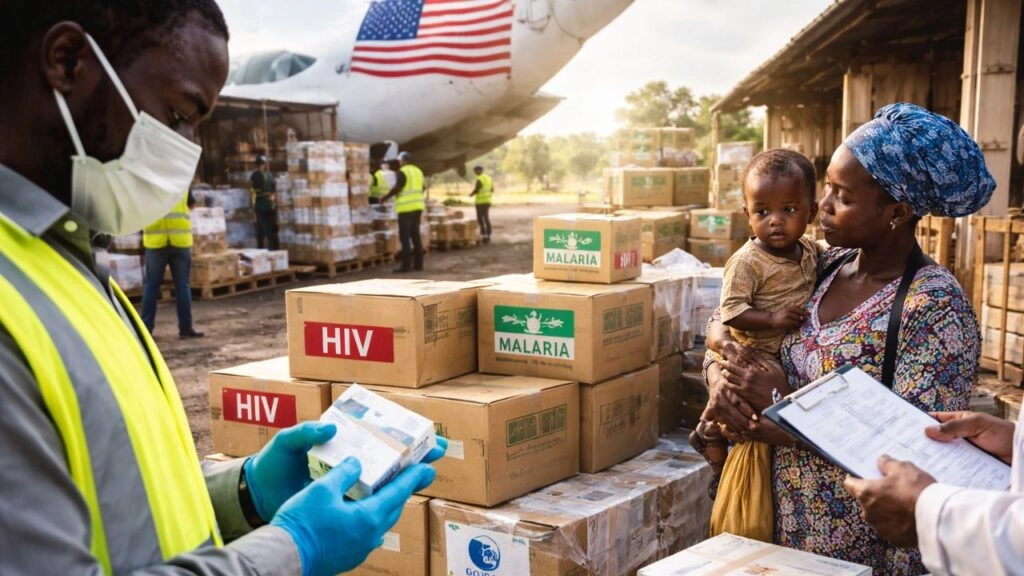
The United States is currently undergoing a significant overhaul of its global health aid, which poses a substantial risk to essential supply chains for crucial diseases such as HIV and malaria. This transformation is part of a broader effort to reassess and potentially redirect financial resources that have traditionally been allocated to combat these infectious diseases. As the U.S. government strategizes its approach to global health, there are growing concerns that the changes could disrupt the delivery of life-saving medications and treatments, especially in regions heavily impacted by these diseases.
HIV and malaria have long been focal points of global health initiatives, with extensive international support aimed at reducing their prevalence and improving patient outcomes. The U.S. has been a major contributor to global health funding, supporting various programs that ensure the availability of antiretroviral therapy for HIV and treatments for malaria. However, as the government reevaluates its funding priorities, there is an urgent need for stakeholders to advocate for the continued support of these critical health interventions. The potential disruption of supply chains could lead to increased morbidity and mortality rates among vulnerable populations.
Furthermore, the overhaul of global health aid could have broader implications beyond immediate healthcare access. It may affect ongoing research and development projects aimed at finding new treatments and vaccines for these diseases. Scientists and public health officials warn that any delay or interruption in funding could stall progress made over the years and hinder efforts to achieve global health equity. As the global community grapples with the ramifications of these changes, it is crucial to emphasize the importance of sustaining supply chains for HIV and malaria to ensure that progress is not only maintained but accelerated in the fight against these infectious diseases.