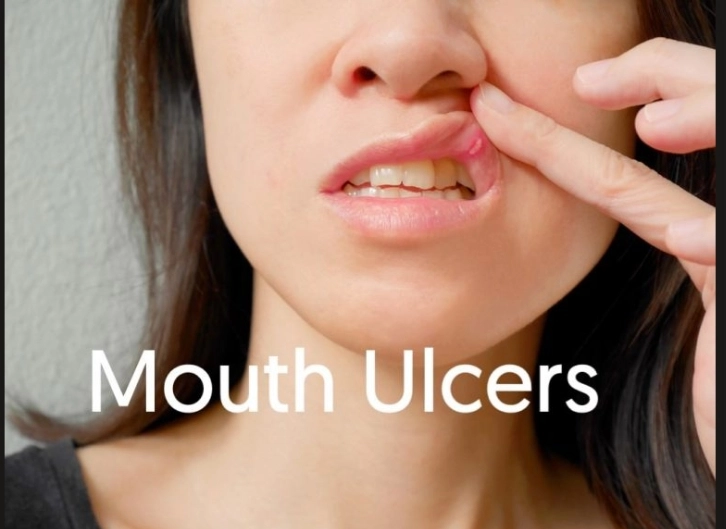
Mouth ulcers, also known as canker sores, are painful lesions that can appear on the inside of the mouth, including the gums, tongue, and lips. These ulcers can be a recurring problem for many people, and understanding the underlying causes is crucial for prevention. While the exact reason for their frequent occurrence may vary from person to person, several common factors contribute to their development. Stress, hormonal changes, food sensitivities, and nutritional deficiencies are among the primary triggers that can lead to the formation of these painful sores.
One of the most significant factors in the recurrence of mouth ulcers is stress. When the body undergoes stress, it can weaken the immune system, making it more susceptible to various ailments, including ulcers. Additionally, hormonal fluctuations, particularly those related to menstrual cycles, can also increase the likelihood of developing these sores. Another contributing factor is the consumption of certain foods that can irritate the mouth’s lining, such as citrus fruits, spicy dishes, and nuts. Identifying and avoiding these triggers can significantly reduce the frequency of mouth ulcers.
Nutritional deficiencies, particularly in vitamins B12, folate, and iron, can also play a crucial role in the recurrence of mouth ulcers. A balanced diet rich in these essential nutrients can help strengthen the body’s defenses and promote healing. Furthermore, maintaining good oral hygiene is vital for prevention. Regular brushing and flossing, along with routine dental check-ups, can help minimize the risk of mouth ulcers by ensuring the mouth remains healthy and free from irritants.
In summary, recurrent mouth ulcers can be effectively managed by identifying and addressing their causes. By minimizing stress, avoiding trigger foods, ensuring adequate nutrition, and maintaining good oral hygiene, individuals can significantly reduce the frequency and severity of these painful lesions. Understanding these preventive measures empowers individuals to take control of their oral health and improve their overall well-being.