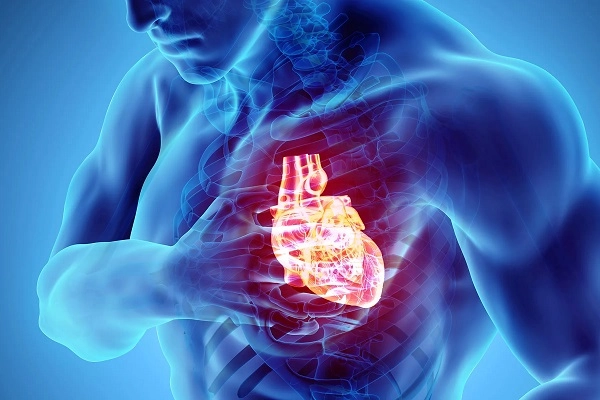
Cardiac arrest is a critical medical condition that occurs when the heart suddenly stops beating, leading to a cessation of blood flow to the brain and other vital organs. This life-threatening event can happen without warning and is often confused with a heart attack, but they are not the same. While a heart attack occurs when blood flow to a part of the heart is blocked, cardiac arrest involves the heart’s electrical system malfunctioning, causing it to stop beating effectively. Understanding the distinctions between these two conditions is essential, especially in light of recent news involving prominent figures like Asha Bhosle, which brings attention to the importance of heart health.
The symptoms of cardiac arrest can be subtle and may vary from person to person. Common signs include sudden collapse, loss of consciousness, and absence of breathing or pulse. In some cases, individuals may experience chest pain, shortness of breath, or lightheadedness moments before the arrest. Immediate recognition of these symptoms is crucial, as every minute that passes without intervention decreases the chances of survival. It is important for bystanders to act quickly, calling emergency services and initiating CPR to restore blood flow until professional help arrives.
Prevention of cardiac arrest involves addressing risk factors that contribute to heart disease. Maintaining a healthy lifestyle through regular exercise, a balanced diet, and avoiding smoking can significantly reduce the likelihood of developing heart-related issues. Additionally, regular check-ups with healthcare professionals can help identify and manage conditions such as hypertension or diabetes, which are known risk factors. Public awareness campaigns and educational programs about heart health are vital in promoting preventive measures and ensuring that individuals are equipped to recognize the signs of cardiac arrest and respond effectively. By understanding the nature of cardiac arrest and taking proactive steps, individuals can empower themselves and others to maintain heart health and potentially save lives.