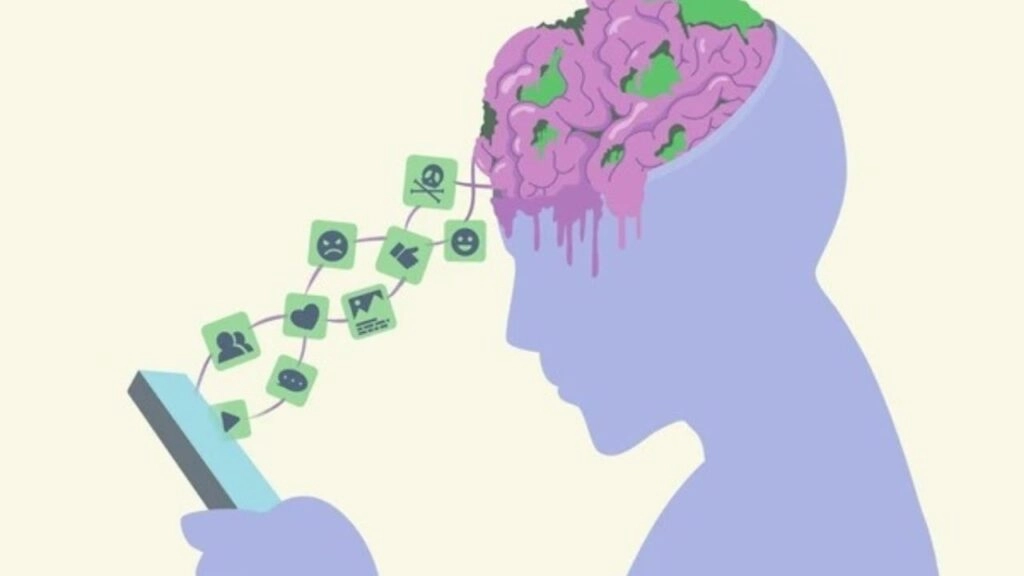
In recent years, the term “Brainrot” has emerged as a viral expression, encapsulating the mental fatigue and cognitive overload many individuals experience due to excessive social media usage. This phenomenon highlights a troubling aspect of our digital age, where constant connectivity can lead to a decline in mental clarity and focus. The incessant stream of information, notifications, and online interactions can overwhelm our cognitive faculties, resulting in a sense of mental exhaustion that many have come to recognize as “Brainrot.”
The implications of this phenomenon are significant, as it reflects a broader societal issue related to our relationship with technology. As social media platforms continue to evolve, they often prioritize engagement and virality over the well-being of users. This relentless pursuit of attention can create an environment where individuals feel compelled to consume vast amounts of content, often at the expense of their mental health. The dopamine-driven feedback loops characteristic of these platforms can lead to addictive behaviors, further exacerbating feelings of confusion and distraction.
Moreover, the concept of “Brainrot” serves as a wake-up call for many to reassess their digital habits. It underscores the need for a more mindful approach to technology use, encouraging individuals to take breaks, engage in offline activities, and cultivate deeper connections away from screens. By recognizing the signs of mental fatigue associated with social media, people can take proactive steps to mitigate its effects, potentially reclaiming their focus and mental clarity. Ultimately, addressing the issue of “Brainrot” involves not only personal responsibility but also a collective effort to foster healthier digital environments that prioritize user well-being.