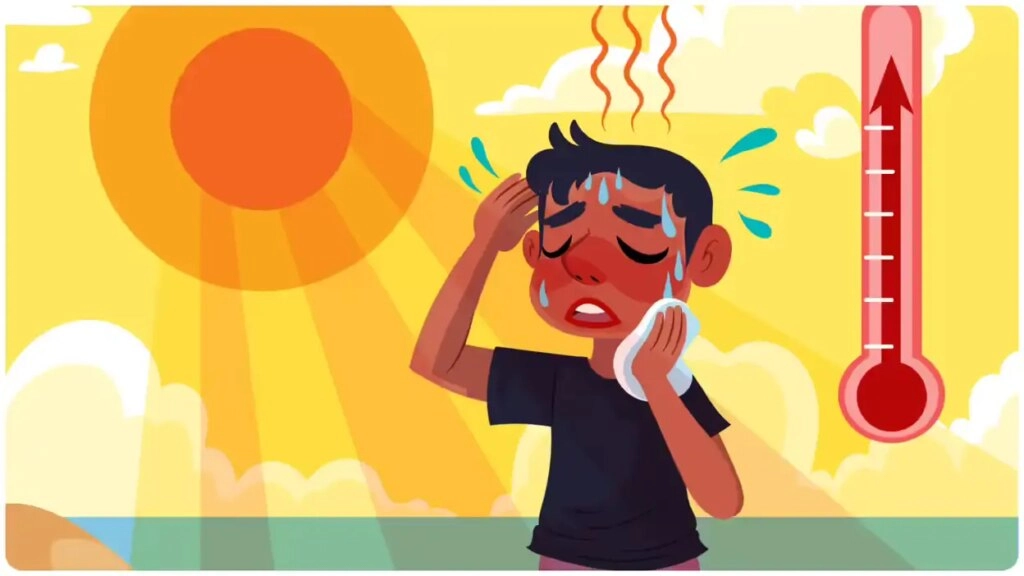
As summer approaches, the rising temperatures bring with them a heightened risk of health issues related to heat, particularly dehydration and heatstroke. Dehydration occurs when the body loses more fluids than it takes in, which can lead to a range of symptoms, including thirst, dark yellow urine, fatigue, dizziness, and confusion. During the hot summer months, it is essential to stay adequately hydrated, especially for those who engage in outdoor activities. The body loses significant amounts of water through sweat, and without proper replenishment, individuals can quickly find themselves in a state of dehydration. It is crucial to drink plenty of water, even if one does not feel thirsty, as the body often does not signal the need for hydration until it is already in a deficit.
Heatstroke, on the other hand, is a more severe condition that can occur when the body overheats, often due to prolonged exposure to high temperatures or strenuous physical activity in hot weather. The body’s temperature regulation system can fail, leading to a rapid increase in core body temperature, which can be life-threatening if not addressed promptly. Symptoms of heatstroke include a high body temperature, altered mental state or confusion, hot and dry skin, and in some cases, loss of consciousness. It is vital to recognize these symptoms early and seek immediate medical attention, as heatstroke can result in serious complications, including organ damage or death.
To prevent dehydration and heatstroke during the summer months, individuals should take proactive measures. Wearing light, breathable clothing, taking regular breaks in the shade, and avoiding strenuous activities during the hottest parts of the day can significantly reduce the risk of heat-related illnesses. Additionally, consuming foods with high water content, such as fruits and vegetables, can aid in hydration. It is also advisable to monitor the weather and heat index, particularly for vulnerable populations, including the elderly, young children, and those with pre-existing health conditions, as they may be more susceptible to the effects of extreme heat.
In summary, staying vigilant about hydration and recognizing the signs of heat-related illnesses are essential for maintaining health during the summer. By understanding the risks associated with high temperatures and taking preventive measures, individuals can enjoy the season safely while minimizing the chances of dehydration and heatstroke. With proper awareness and preparation, summer can be a time of enjoyment and relaxation, rather than a season of health concerns.