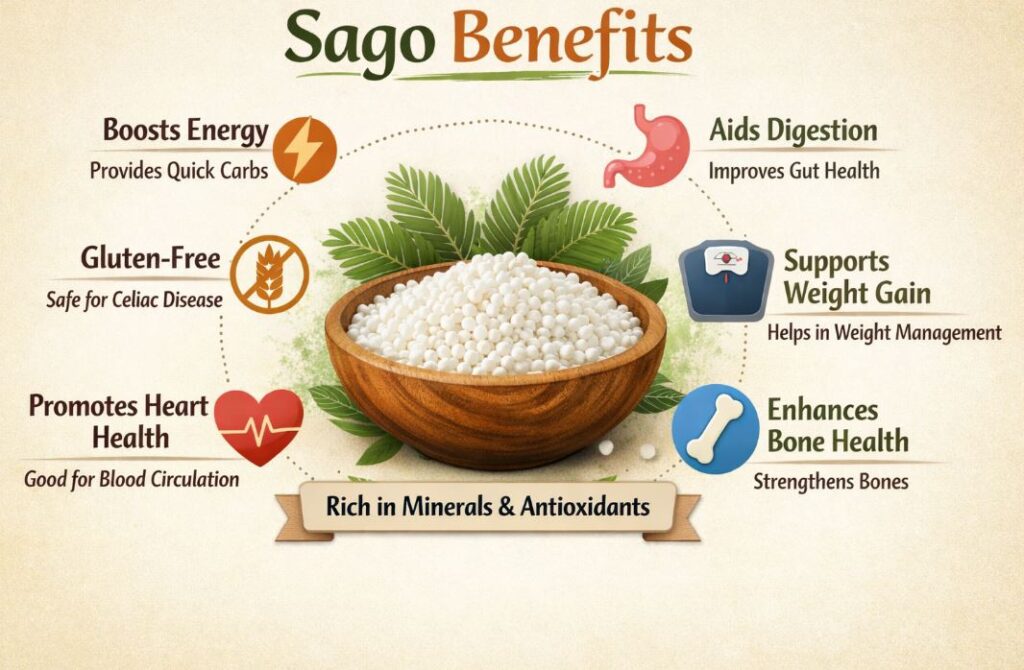
Sago, a starchy substance extracted from the pith of tropical palm stems, is often celebrated as a superfood due to its numerous health benefits. Rich in carbohydrates, it serves as an excellent source of energy, making it a popular dietary staple in many regions, particularly in Southeast Asia. One of the primary advantages of sago is its gluten-free nature, making it an ideal choice for individuals with celiac disease or gluten sensitivities. Unlike many other carbohydrate sources, sago is easy to digest, which aids in promoting gut health and can be beneficial for those suffering from digestive issues.
In addition to its digestibility, sago is packed with essential nutrients. It contains a significant amount of dietary fiber, which is vital for maintaining healthy digestion and preventing constipation. The fiber content also helps regulate blood sugar levels, making sago a suitable option for individuals managing diabetes. Furthermore, sago is low in fat and cholesterol-free, which supports heart health and helps maintain healthy weight levels when included in a balanced diet.
Sago is also known for its versatility in cooking. It can be prepared in various ways, such as in puddings, soups, and as a thickening agent in many dishes. This adaptability allows it to be incorporated into a wide range of recipes, ensuring that it can fit into diverse dietary preferences. Additionally, sago is often enriched with other ingredients, such as fruits and nuts, enhancing its nutritional profile and providing a more rounded meal option.
Moreover, the presence of antioxidants in sago contributes to its reputation as a superfood. These compounds help combat oxidative stress in the body, reducing the risk of chronic diseases and promoting overall health. By incorporating sago into your diet, you can enjoy a myriad of health benefits while indulging in its unique texture and flavor. Overall, sago is not just a carbohydrate source; it is a nutritious food that supports a healthy lifestyle when consumed thoughtfully.